

Yes, you can achieve a natural brow tint as a blonde by choosing a shade just one to two tones darker than your natural hair. The right tint colour, proper prep, and application technique are key—whether you’re tinting at home or working with a professional technician. For blonde clients, the margin for error is smaller than with darker hair, making expertise and careful colour selection absolutely essential.
Brow tinting is a safe and effective way for blondes to enhance their eyebrows without looking overdone. But getting it right takes more than just grabbing any brown dye from the shelf. The goal is enhancement, not transformation—creating brows that look naturally fuller and more defined while still appearing authentic to the client’s overall colouring.
At New Zealand Beauty School, we understand that blondes need a tailored approach—starting with the right colour match and extending to the safest application methods. New Zealand’s diverse population includes many natural blondes and those who colour their hair lighter shades, making this specialised knowledge invaluable for beauty professionals.
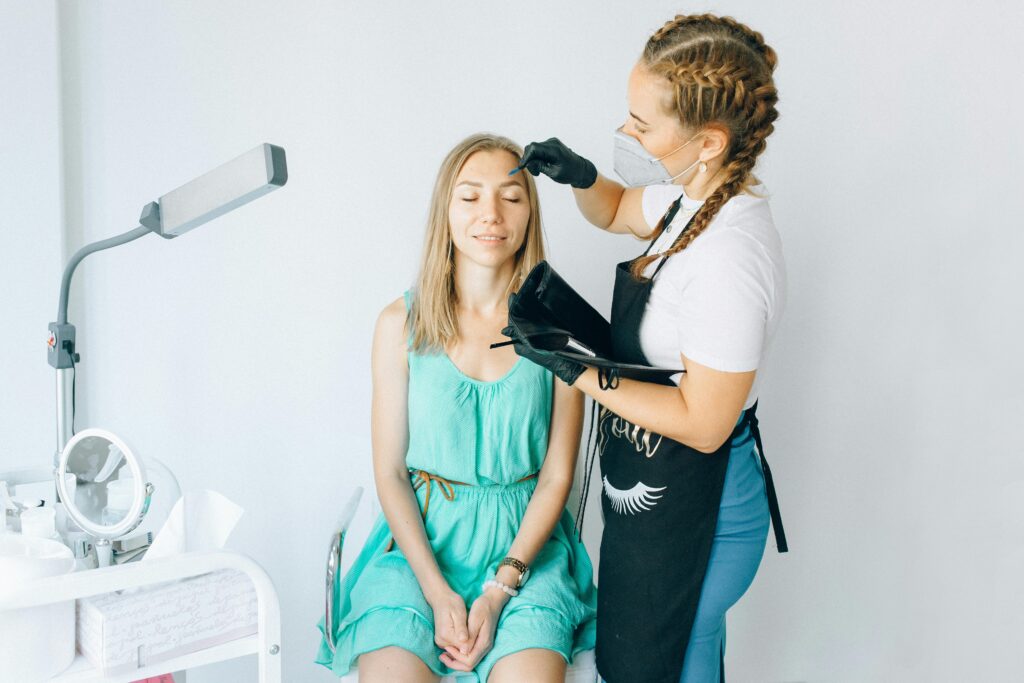
Why Blondes Need Special Consideration
For blondes, brow hairs are often sparse, fine, and light—making them nearly invisible without makeup. This invisibility can make blondes appear washed out or undefined, particularly in photographs or harsh lighting. Eyebrow tinting adds depth and structure while maintaining a soft, natural look that complements fair colouring.
The challenge with blonde brows is achieving definition without harshness. Darker brows on a blonde can look jarring and unnatural, aging the face rather than enhancing it. That’s why blondes need specific tints designed for their fair tones—not just a generic dark brown diluted with developer.
Understanding undertones is equally important. Cool-toned blondes with ashy or platinum hair require different tint shades than warm-toned blondes with golden or honey highlights. Getting this wrong results in brows that clash with the client’s overall colouring, creating an obviously artificial appearance.
The structure of blonde hair also differs from darker hair. Blonde hair typically has less melanin and a different internal structure that affects how tint deposits and lasts. This means processing times and product selection must be adjusted accordingly.
Common Mistakes to Avoid with Blonde Brow Tinting
Choosing Shades That Are Too Dark
Going even two shades too deep can overpower blonde features. The result looks harsh and unnatural rather than softly defined. This is the most common mistake both DIY enthusiasts and inexperienced technicians make. Always err on the side of lighter rather than darker—you can always add more depth with a second application, but you cannot easily lighten an overly dark result.
Remember that tint often appears darker immediately after application and lightens slightly as it oxidises. Judge your final results after 24 hours, not immediately upon completion.
Using Hair Dye Instead of Brow Dye
Hair dye contains stronger chemicals and isn’t safe for the delicate skin around the eyes. Always use products specifically formulated for brow tinting. Hair dye can cause severe irritation, chemical burns, and even vision problems if it contacts the eyes. Medsafe NZ regulates cosmetic products, and professional brow tints meet safety standards that regular hair dyes do not.
The pH levels and developer strengths in hair dye are formulated for scalp skin, which is much more resilient than the thin, sensitive skin around the eyes.
Skipping a Patch Test
Fair skin is often more sensitive than darker skin types. Always perform a patch test, especially with new clients or when using a new product. Apply a small amount of mixed tint behind the ear or on the inner arm 24-48 hours before treatment. This simple step can prevent allergic reactions and liability issues.
Even clients who have had successful tints before can develop sensitivities over time, making patch tests essential for every appointment.
Over-Tinting Too Often
Tinted brows don’t need constant refreshing. Every 4–6 weeks is ideal for most clients. More frequent tinting can lead to irritation, damage to the delicate brow hairs, and skin sensitisation over time. Educate your clients about appropriate maintenance schedules.
Over-tinting can also cause colour buildup, leading to unnaturally dark results that defeat the purpose of natural-looking enhancement.
Ignoring Undertones
Warm blondes need different tones than cool blondes. A warm-toned tint on a cool-toned blonde creates an orange or brassy appearance that looks obviously artificial. Matching the undertone ensures the most natural, harmonious result.
Spend time during consultation analysing your client’s skin undertone, natural hair colour, and any highlights or lowlights in their hair to determine the ideal tint shade.
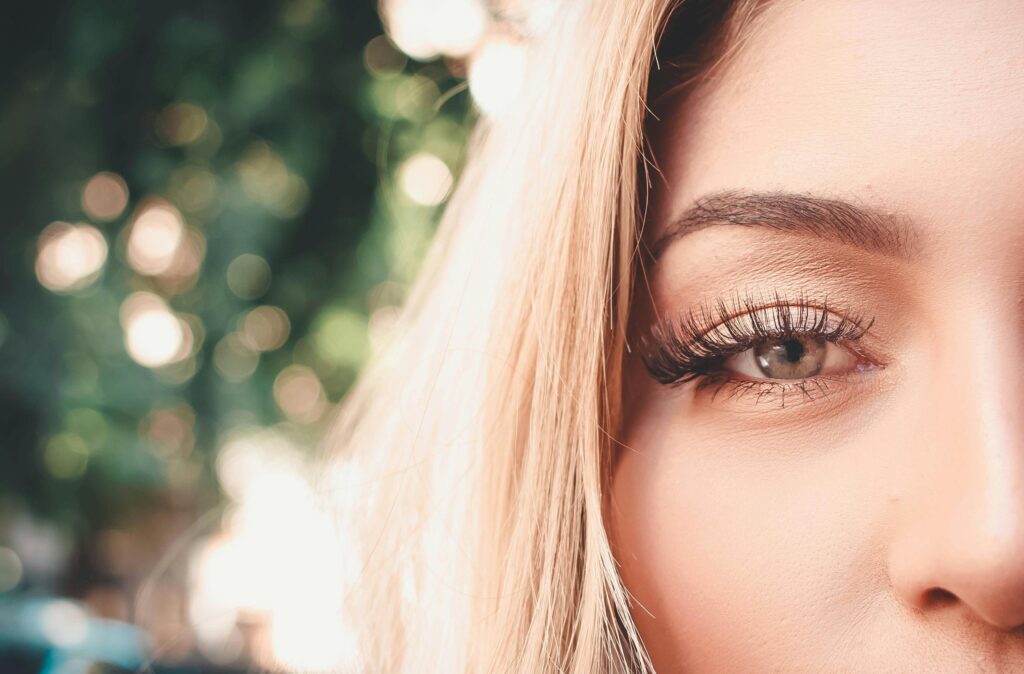
Choosing the Right Shade for Blonde Clients
The golden rule: stick to 1–2 shades darker than the client’s natural hair colour. Ash blonde, taupe, or soft light brown are ideal for most natural blondes. Here’s how to match specific blonde types:
For Warm Blondes
Choose golden brown or honey-toned tints. These complement yellow and golden undertones in the hair and skin, creating a sun-kissed, natural appearance. Warm blondes often have peachy or golden skin tones that pair beautifully with these warmer brow shades.
Avoid anything with ash or grey undertones, which will look muddy against warm colouring.
For Cool Blondes
Opt for ash brown or taupe shades. These work with ashy, platinum, or silver-toned blonde hair without creating an orange or brassy cast. Cool blondes typically have pink or neutral skin undertones that harmonise with these cooler brow colours.
Taupe is often the safest choice for very pale, cool-toned blondes as it provides definition without warmth.
For Strawberry Blondes
Consider soft auburn or warm taupe shades. These complement the red undertones in strawberry blonde hair without clashing or appearing muddy. The goal is to echo the warmth in the hair without overwhelming the face with too much colour.
Avoid pure browns, which can look too flat against the dimensional tones in strawberry blonde hair.
Step-by-Step Application Process
Preparation
Begin by cleansing the brow area thoroughly with an oil-free cleanser. Remove all makeup, oil, and residue that could interfere with tint absorption. Apply petroleum jelly or a barrier cream around the brows to prevent staining on the surrounding skin.
If the client has very oily skin, consider using a primer or degreaser specifically designed for brow tinting to improve adhesion and colour deposit.
Application
Apply tint with a spoolie or angled brush, covering all brow hairs evenly from root to tip. Work the product through thoroughly, ensuring complete coverage of even the finest hairs. The application should be precise, following the natural brow shape without extending onto the skin outside the brow boundaries.
Work in thin, even layers rather than one thick application. This ensures more consistent colour deposit.
Timing
Start your timer—usually 2–5 minutes for blondes, significantly shorter than the 10+ minutes required for darker hair types. Less is more with blonde brows. Check progress at the 2-minute mark for very fair or fine hair. The tint will appear darker when first applied and lightens slightly as it sets.
Have your timer visible and stay attentive—even an extra minute can make a significant difference with light hair.
Removal
Wipe off with a damp cotton pad, working gently to remove all product without irritating the skin. Use gentle, sweeping motions rather than rubbing, which can cause irritation. Ensure all tint is removed from the skin surrounding the brows.
Check from multiple angles in good lighting to ensure all residue is removed before the client leaves.
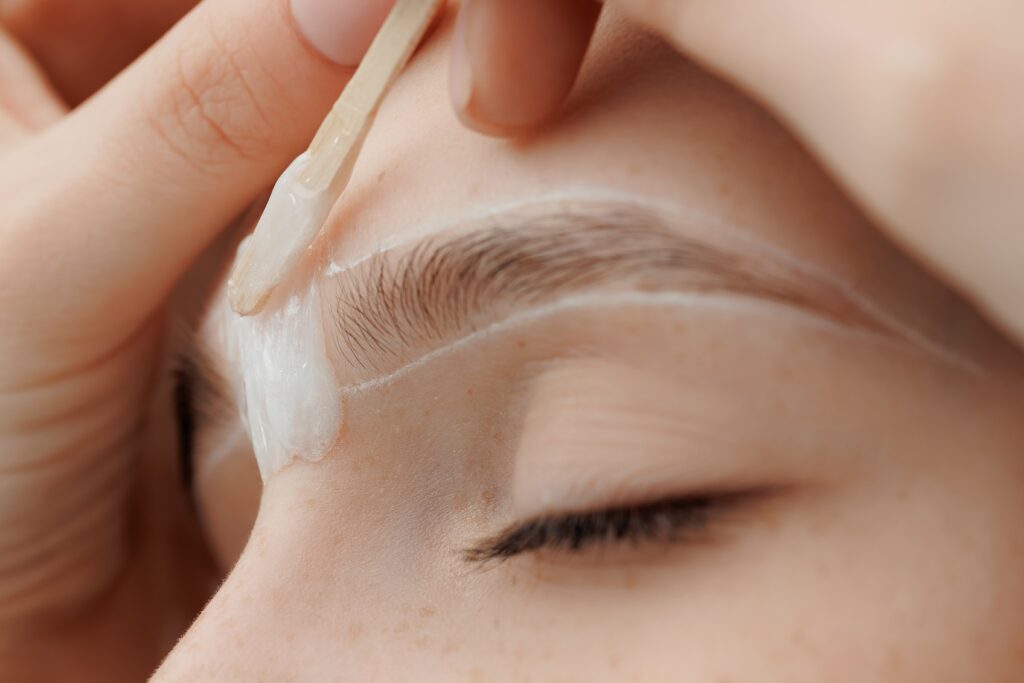
Aftercare Tips for Blonde Brow Tinting
Proper aftercare extends the life of the tint and keeps brows looking their best:
Avoid water on brows for at least 24 hours post-tint to allow the colour to fully set and develop. Don’t use exfoliants or peels near the brow area for 2–3 days, as these can strip colour prematurely.
Use a clear brow serum to maintain strength, shine, and flexibility—especially important if brows are naturally fine or have been chemically treated. This conditioning step helps prevent the dryness and brittleness that can result from repeated tinting.
Protect brows from excessive sun exposure, which can fade the tint faster. In New Zealand’s high-UV environment, this is particularly important year-round. Consider recommending a brow product with SPF for sun protection.
Professional vs At-Home Tinting
While at-home kits are available, professional tinting offers several significant advantages. According to Allure, professional application ensures:
Precise colour matching for each client’s specific tone and undertone, eliminating guesswork. Proper timing to avoid overprocessing, which requires experience and trained observation skills. Safe application that protects the delicate eye area from chemical contact. Longer-lasting, more even results that justify the professional investment.
Our Certificate in Eyebrow, Facial Waxing and Tinting teaches proper colour theory and application techniques for all hair colours, with special attention to the nuances of working with fair-haired clients.
Building Client Trust with Blonde Clients
Finding the perfect balance in brow tinting is all about understanding your client’s features, tones, and sensitivity levels. Blonde clients are often hesitant about brow tinting because they’ve seen poor results—either on themselves or others. Building trust requires education, careful consultation, and consistently excellent results.
Start conservatively with new blonde clients. It’s better to achieve a subtle enhancement that leaves them wanting more than to overwhelm them with an overly dramatic change. You can always build up colour in subsequent appointments once you understand how their hair and skin respond to tinting.
Document your colour formulations and timing for each client. This allows you to replicate successful results and adjust as needed based on feedback and outcomes. Take before and after photos with consistent lighting to track results.
Whether clients are doing it themselves or seeing a professional, the key message is the same: stick to soft, subtle shades that enhance—never overpower. This approach builds trust and demonstrates how subtle changes can naturally elevate blonde features.
Expanding Your Expertise
Want to become a certified brow professional? Our Certificate in Eyebrow Henna teaches you safe, modern tinting techniques tailored for every client type, including the specific needs of blonde clients. Combined with lamination skills, tinting expertise makes you a complete brow artist capable of transforming any client.