
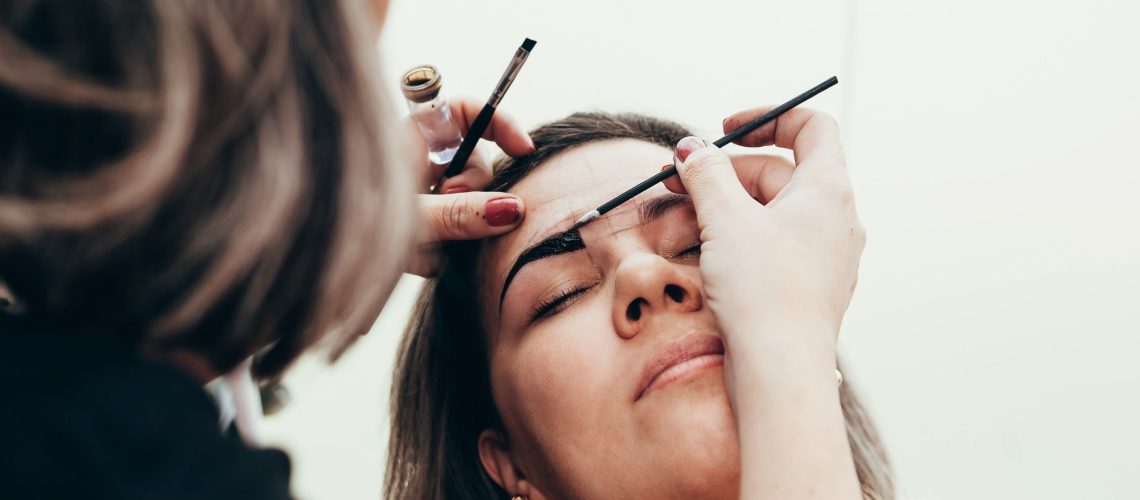
Eyebrow henna is one of the most in-demand specialist brow treatments in New Zealand, and its popularity is still growing. Where standard brow tinting colours only the brow hairs, henna brow tinting colours both the hairs and the skin beneath the brows — creating a skin stain that lasts up to two weeks, significantly extending the between-appointment definition and reducing the daily brow makeup routine that many Kiwi clients find time-consuming.
For beauty practitioners, a henna brow qualification adds a premium service with strong client appeal, a meaningful pricing advantage over standard tinting, and the social media visibility of a treatment that produces dramatic, highly shareable results. This guide covers what a professional henna brow course in New Zealand teaches, how it differs from standard tint training, and what you can earn as a henna brow specialist in the Kiwi market.
Henna Brows vs Standard Brow Tint: The Key Difference
Standard brow tint uses an oxidative semi-permanent dye to colour the brow hairs. The colour fades with washing over three to five weeks. Any skin staining from standard tint fades within a day or two after application.
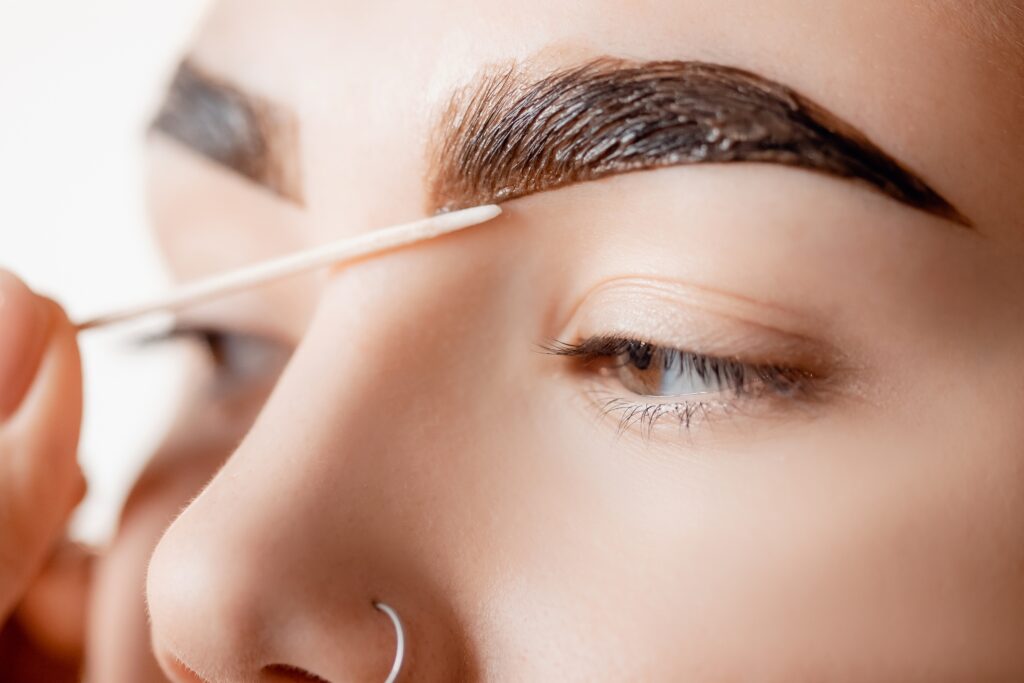
Henna brow tint uses a natural plant-derived henna pigment that stains both the brow hairs and the skin beneath them. The skin stain lasts one to two weeks depending on skin type, skincare habits, and sun exposure; the hair colour lasts four to six weeks. For clients with sparse or patchy brow hairs, the skin stain creates the appearance of filled-in brows that persists significantly between appointments — a result standard tint cannot match. Healthline provides a clinically reviewed overview of henna brows including safety considerations, longevity expectations, and aftercare — practitioners who are familiar with this content can address client questions with genuine authority during consultation.
The practical implication for New Zealand clients is significant: henna brows give clients the appearance of naturally defined brows without daily makeup application for one to two weeks at a time. This is particularly valued by Kiwi clients with an active outdoor lifestyle — swimmers, runners, and outdoor enthusiasts who find standard tint insufficient for their needs.
What Does a Henna Brow Course Cover?
Brow anatomy and hair growth science provide the foundational theory, with specific attention to the porosity differences between the hair shaft and skin surface that determine how each takes and holds henna pigment.
Henna chemistry is the most important course-specific content. Henna pigment behaves differently from oxidative dye in ways that directly affect your application decisions: it does not require a developer, colour develops through oxidation over time, depth of colour is affected by application layer thickness and development duration, and henna has a naturally warm, reddish-brown tonal characteristic that must be accounted for in shade selection across diverse hair colours and skin tones. Understanding the chemistry prevents the most common practitioner errors — over-development and incorrect shade selection for clients with cool-toned colouring.
Colour mixing and shade matching for henna is a distinct practical skill. Achieving the precise warm, neutral, or cool shade each client needs often requires mixing, and the colour theory specific to henna pigments — including how to neutralise henna’s inherent warmth for clients with ash or cool-toned hair colours — is a dedicated component of the course.
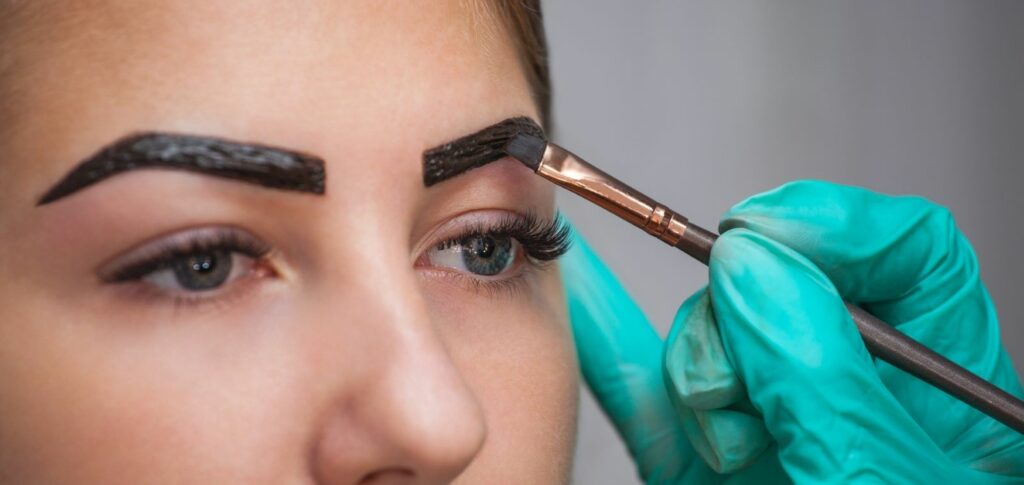
Application technique covers skin preparation, brow mapping and shape design, henna application to both the hairs and the skin in the desired brow shape, development monitoring, removal, and finishing protocol. Achieving a clean, crisp edge to the skin stain — the detail that defines henna brow precision — requires a steady application hand and practice.
Who Should Train in Henna Brows?
Henna brow training is most valuable as a second or third brow specialisation for practitioners who already hold standard tinting and/or waxing or lamination qualifications. The additional knowledge required — henna-specific chemistry, colour mixing, and adjusted application protocol — builds naturally on an existing tinting foundation. According to Allure, henna brows have grown significantly in popularity across English-speaking markets due to their plant-derived origin and the dramatic skin-staining effect — with the NZ market following the same growth curve seen in Australia and the UK over the past three years.
What Can You Earn?
Henna brow treatments in New Zealand are priced at NZD $60 to $100, representing a premium of NZD $20 to $40 above standard tinting — reflecting the extended result, the specialist technique, and the higher product cost. Combined henna brow and waxing appointments command the full combined pricing.
For career and income data for beauty therapists in New Zealand — including the earnings ranges relevant to specialist brow practitioners at different career stages — Careers New Zealand provides a useful overview of the profession, work settings, and typical income progression.
For current brow tech and beauty roles across NZ, Seek NZ lists positions that help you understand the employed landscape and benchmark your self-employed service rates against the broader NZ market.
Our Certificate in Eyebrow Henna covers all aspects of henna brow technique and chemistry. Our article on brow henna course: natural brow enhancement techniques that clients love provides practical context on the treatment. All brow training is at New Zealand Beauty School.