
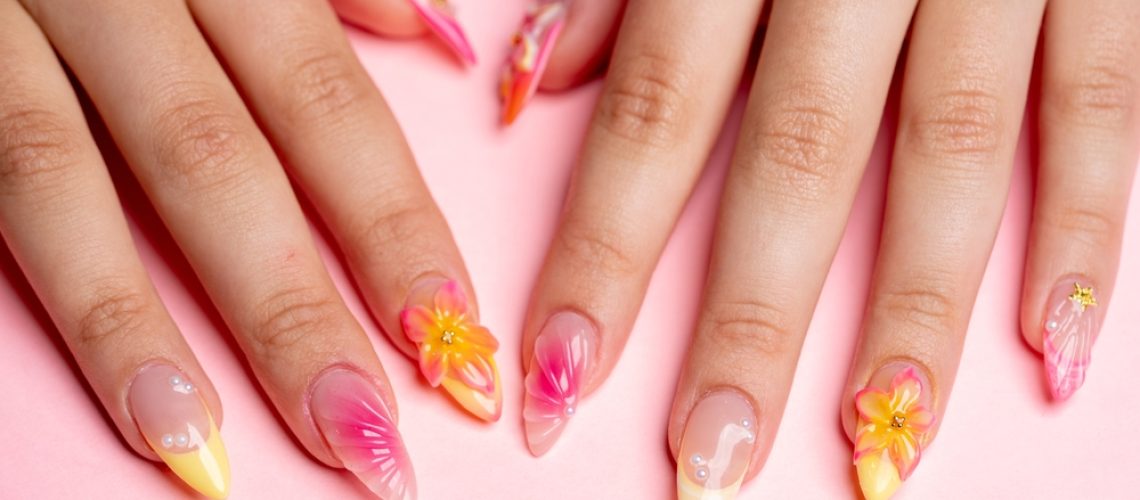
Choosing the right nail extension system is one of the most important decisions you’ll make as a nail technician. Each method—Gel X (soft gel tips), acrylic, and hard gel—offers distinct advantages and suits different client needs. Understanding these differences allows you to recommend the best option for each client while building expertise across systems that serves your business.
The New Zealand nail market embraces all three systems, with client preferences varying based on lifestyle, aesthetic goals, and previous experiences. According to Stats NZ, nail extension services continue growing across the country, making multi-system expertise increasingly valuable for technicians from Auckland to Dunedin.
At New Zealand Beauty School, our beauty courses provide foundational nail knowledge that supports specialisation in various extension systems.
Understanding Each System
Gel X (Soft Gel Tips)
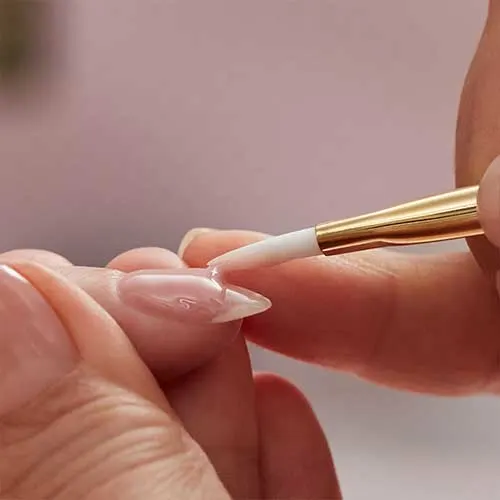
Gel X refers to full-coverage soft gel tips that are adhered to the natural nail and cured with a UV/LED lamp. The system uses pre-shaped gel tips that require minimal filing and no sculpting, making it faster and more accessible than traditional extension methods.
How It Works: The natural nail is prepared and a gel adhesive is applied. A pre-formed soft gel tip is selected for size and shape, then pressed onto the natural nail and cured under a lamp. The tip is then filed and shaped to the desired length and form before applying colour and top coat.
Characteristics:
- Flexible and lightweight
- Soak-off removal (though time-consuming)
- Faster application than sculpted methods
- Pre-formed shapes limit customisation somewhat
- Generally gentler on natural nails
Acrylic Extensions
Acrylic nails are created by combining liquid monomer with powder polymer to form a malleable bead that’s sculpted onto the natural nail or tip. The product hardens through chemical reaction (not light curing) and creates extremely strong, durable extensions.
How It Works: Natural nails are prepared, and forms or tips are applied to create length. The technician dips a brush in monomer, then into polymer powder, creating a bead that’s placed on the nail and sculpted into shape before it hardens. The process is repeated to build desired thickness and structure.
Characteristics:
- Extremely strong and durable
- Highly customisable through sculpting
- Air-dries (no lamp required for curing)
- Requires filing for removal (no soak-off)
- Strong fumes from monomer
- Steeper learning curve
Hard Gel Extensions
Hard gel extensions use a thick gel product that’s sculpted and cured layer by layer under UV/LED light. Like acrylic, hard gel allows complete customisation through sculpting, but uses different chemistry and application methods.
How It Works: Natural nails are prepared with forms or tips. Hard gel is applied in layers, each cured under a lamp before the next is added. The gel is sculpted to create desired shape and thickness. Once complete, the extension is filed and refined before colour and top coat.
Characteristics:
- Very strong and durable
- Highly customisable through sculpting
- Requires lamp curing
- No fumes during application
- Requires filing for removal (no soak-off)
- Lighter weight than acrylic at similar strength
Comparing Key Factors
Strength and Durability
Acrylic: The strongest option overall. Acrylic creates rock-hard extensions that withstand significant stress. Ideal for clients who are hard on their hands or want maximum durability.
Hard Gel: Nearly as strong as acrylic with slight flexibility. Excellent durability for most clients. Some technicians find hard gel performs better in humid conditions.
Gel X: The most flexible option. While modern Gel X products offer good strength, they can’t match the durability of sculpted systems. Best for clients who prefer natural movement and are gentler on their nails.
Application Time
Gel X: Fastest application due to pre-formed tips eliminating sculpting. A skilled technician can complete a full set in 45-75 minutes.
Hard Gel: Moderate application time. Layer-by-layer building requires curing between each layer. Full sets typically take 90-120 minutes.
Acrylic: Variable timing depending on technician skill. Experienced technicians work quickly, but the sculpting process generally takes 90-120+ minutes.
Removal Process
Gel X: Soak-off removal using acetone. While gentler than filing, the thick gel tips require extended soaking time (30-45+ minutes) and patience.
Acrylic: Requires filing down the bulk of product before soaking, or full filing for removal. Improper filing can damage natural nails significantly.
Hard Gel: Cannot be soaked off. Must be filed away carefully. This is often cited as hard gel’s biggest drawback—removal requires skill to avoid natural nail damage.
Natural Nail Impact
Gel X: Generally gentlest on natural nails when applied and removed correctly. The flexible material moves with the nail rather than creating rigid stress points.
Acrylic: Can be hard on natural nails if applied incorrectly or removed improperly. The rigid structure and filing removal pose risks, but skilled application minimises damage.
Hard Gel: Similar considerations to acrylic. Filing removal requires care, but proper technique protects natural nails.
Client Comfort
Gel X: Most comfortable for clients who prefer natural feel. The flexibility allows nails to bend slightly rather than resisting all pressure.
Acrylic: The rigid structure feels very different from natural nails. Some clients love the solid feeling; others find it uncomfortable initially.
Hard Gel: Between acrylic and Gel X in rigidity. Offers substantial strength with slightly more flexibility than acrylic.
Climate Considerations
New Zealand’s varied climate can affect nail products:
Humidity: Coastal areas and humid summer conditions can affect adhesive performance and curing. Hard gel may perform better in humid conditions.
Temperature Variations: Seasonal changes may affect product consistency. Understanding how your products behave in different conditions helps ensure consistent results.
Recommending the Right System
Choose Gel X When:
The client prioritises natural feel and flexibility in their extensions. They want faster application times and shorter appointments. They’re concerned about natural nail health and prefer soak-off options. Their lifestyle doesn’t demand maximum durability—they’re not doing heavy manual work. They’re newer to extensions and want to start with something gentler.
Choose Acrylic When:
The client needs maximum strength and durability for demanding lifestyles. They want extensive customisation of shape and structure. They prefer working with a technician experienced in sculpting techniques. They’re not sensitive to monomer fumes. They’ve worn acrylics before and prefer the system.
Choose Hard Gel When:
The client wants the strength and customisation of sculpted extensions without the fumes of acrylic. They need substantial durability but appreciate slightly lighter weight than acrylic. They prefer LED/UV curing systems over air-drying. They want very clear or glass-like enhancement effects.
Learning Multiple Systems
Why Versatility Matters
Offering multiple extension systems allows you to serve more clients with personalised recommendations. Some clients have strong preferences based on past experiences. Different situations call for different solutions—a client might want Gel X for everyday wear but acrylics for a special event requiring extra durability.
Versatility also protects your business. If one system becomes hard to source or falls out of favour, having alternatives maintains your service capacity.
Building Skills Progressively
Most technicians start with one system and add others over time. Consider beginning with the system most popular in your target market, mastering fundamentals before adding complexity, taking dedicated training for each new system you add, and practising extensively before offering new services to paying clients.
Product Knowledge
Each system requires different products, tools, and maintenance. Understanding the chemistry behind each method helps troubleshoot problems and achieve consistent results. Invest in quality products appropriate for each system rather than trying to substitute between them.
Business Considerations
Pricing Strategies
Different systems typically command different prices across New Zealand markets:
| Service | Typical Price Range (NZD) |
|---|---|
| Gel X Full Set | $85-$130 |
| Acrylic Full Set | $95-$150 |
| Hard Gel Full Set | $105-$165 |
| Infills (all systems) | $60-$100 |
Pricing varies by region, with higher rates typical in major urban centres like Auckland, Wellington, and Christchurch compared to smaller markets.
Equipment Investment
Gel X: Requires UV/LED lamp, gel tips in various sizes, gel adhesive, and standard nail tools. Moderate initial investment.
Acrylic: Requires monomer, various powder colours, quality brushes, forms, and ventilation. Higher initial investment, especially for proper ventilation setup.
Hard Gel: Requires UV/LED lamp, hard gel products, forms, and standard tools. Moderate to high initial investment depending on product choices.
Client Education
Help clients understand why you recommend particular systems by explaining the reasoning behind your recommendations. Educated clients trust your expertise and become advocates for your services. Be honest about limitations—no system is perfect for everyone, and acknowledging this builds credibility.
At New Zealand Beauty School, our courses provide foundational nail knowledge that supports learning any extension system. Strong fundamentals in nail anatomy, preparation, and aftercare translate across all methods. Explore our course offerings to build your beauty career.
Ready to build expertise in nail extensions? Our beauty courses provide the foundational knowledge you need to master various extension systems. Learn nail anatomy, proper preparation, and application fundamentals that support any technique. Explore our courses today and start building your nail career.