
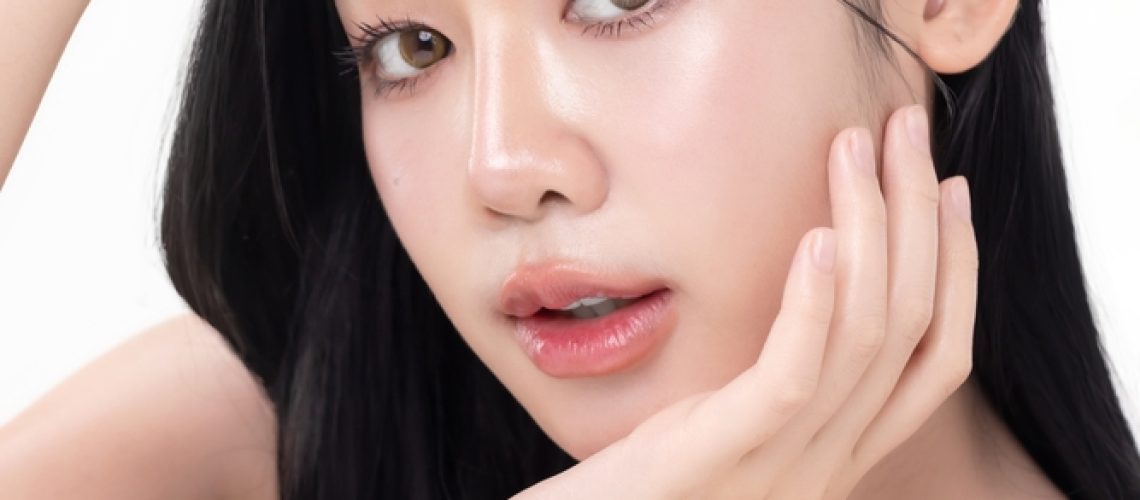
“Glass skin”—the Korean beauty phenomenon describing skin so clear, hydrated, and luminous it appears almost translucent like glass—has become one of the most requested facial outcomes in New Zealand salons. Clients arrive with reference photos of flawless, dewy complexions and want you to help them achieve that ethereal glow.
Understanding the glass skin trend and developing protocols to deliver those results positions you as a skincare expert who can meet contemporary beauty demands. The trend reflects broader shifts toward skincare-first beauty and healthy, glowing complexions over heavy makeup coverage. According to Stats NZ data on personal services, skincare treatments continue growing in popularity across the country.
At New Zealand Beauty School, our beauty courses teach professional facial techniques that create beautiful, healthy skin your clients will love.
Understanding Glass Skin
What Is Glass Skin?
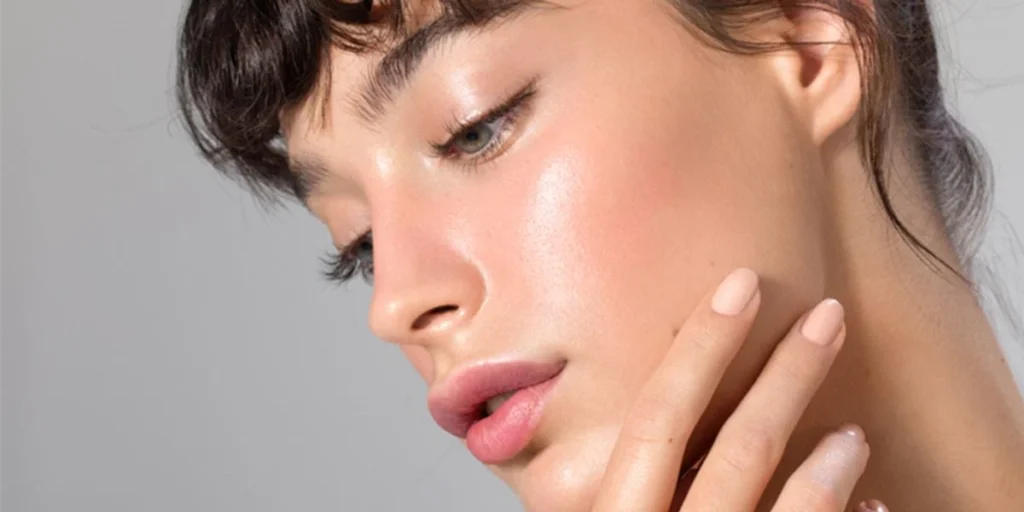
Glass skin describes a complexion that appears intensely hydrated and plump, smooth and poreless, luminous and reflective, clear and even-toned, and healthy and bouncy. The term originated in Korea where multi-step skincare routines and skin health prioritisation created consistently beautiful complexions. The “glass” reference comes from the smooth, reflective quality of well-hydrated, healthy skin.
Why Clients Want Glass Skin
Social Media Influence: Korean beauty influencers and celebrities showcasing flawless skin have created global demand for this aesthetic.
Skincare-First Movement: Clients increasingly prioritise skin health over makeup coverage. Glass skin represents “perfect canvas” that needs minimal makeup.
Achievable Luxury: Unlike some beauty trends requiring specific features, glass skin is theoretically achievable for any skin type with proper care—democratising beauty ideals.
Health Association: Glass skin is associated with health, youth, and vitality—universally desirable qualities.
Glass Skin Facial Goals
Primary objectives include maximum hydration, refined skin texture, minimised pore appearance, even skin tone, healthy luminosity, and a plump, bouncy appearance.
Creating Glass Skin in Salon
The Multi-Layer Hydration Approach
Glass skin relies on layered hydration—a core K-beauty principle. Your facial should build moisture levels progressively. Rather than one heavy moisturiser, multiple lightweight hydrating layers penetrate and plump skin more effectively. Each layer adds moisture while allowing the next to penetrate.
In facial application, this includes hydrating essences, serums with hyaluronic acid, ampoules for targeted treatment, hydrating masks, and moisture-sealing final products.
Glass Skin Facial Protocol
Step 1: Double Cleanse – Begin with oil-based cleanser to remove makeup and sunscreen, followed by water-based cleanser for clean canvas.
Step 2: Gentle Exfoliation – Light exfoliation removes dead skin cells that create dullness. Enzyme or gentle acid exfoliation maintains skin barrier while refining texture.
Step 3: Hydrating Toner/Essence – Apply hydrating toner or essence while skin is still damp. Pat in gently to begin hydration layering.
Step 4: Targeted Serums – Apply serums addressing client’s specific concerns—brightening vitamin C, hydrating hyaluronic acid, refining niacinamide.
Step 5: Sheet Mask or Hydrating Mask – 15-20 minute mask allows intensive hydration penetration.
Step 6: Eye Treatment – Hydrating eye treatment addresses delicate under-eye area.
Step 7: Moisturiser and Facial Massage – Rich moisturiser applied with facial massage techniques improves circulation and product absorption.
Step 8: Facial Oil (Optional) – Light facial oil seals in all layers of hydration.
Step 9: SPF (For Day Services) – Sun protection is essential for maintaining glass skin results.
Key Ingredients for Glass Skin
Hyaluronic Acid: Holds 1000x its weight in water. Essential for glass skin hydration and plumpness.
Niacinamide: Refines pores, evens tone, strengthens barrier.
Vitamin C: Brightens, evens skin tone, provides antioxidant protection.
Centella Asiatica (Cica): Soothes, repairs, strengthens.
Snail Mucin: Hydrates, repairs, smooths.
Propolis: Nourishes, protects, provides glow.
Client Consultation for Glass Skin
Assessing Suitability
Glass skin works best for normal to dry skin types, dehydrated skin (even if oily), those wanting glow over matte finish, and clients committed to home skincare.
Setting Expectations
Explain the goal, discuss maintenance requirements, and be realistic that glass skin is a journey, not a one-time treatment.
Climate Considerations
New Zealand’s varied climate affects skin differently across regions. Coastal humidity can benefit skin hydration, while cooler South Island conditions may require richer products. Tailor your recommendations to clients’ local environments.
Pricing Glass Skin Services
New Zealand market rates for glass skin facials typically range from $105-$180 depending on location and treatment duration. Premium positioning reflects the multi-step, product-intensive nature of the service. Auckland and Wellington command higher prices than smaller centres.
Marketing Glass Skin Services
Create appealing service menu listings such as “Glass Skin Hydration Facial,” “K-Beauty Glow Facial,” or “Korean Glass Skin Experience.”
At New Zealand Beauty School, our beauty courses teach comprehensive facial skills that enable you to create any facial experience clients desire.
Ready to create the glowing skin clients are requesting? Our beauty courses teach professional techniques for beautiful skin results. Explore our courses today and start transforming skin.