
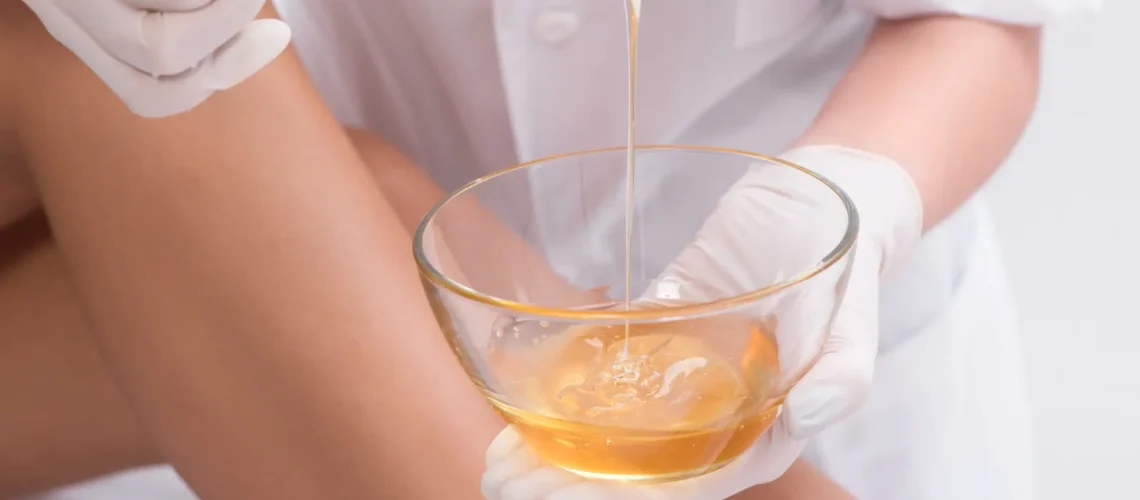
Understanding when to use hard wax versus soft wax is fundamental knowledge for any professional waxing technician. Each type serves different purposes, works best on different body areas, and suits different client needs. Mastering both—and knowing when to recommend each—ensures you can provide optimal service to every client who walks through your door.
The New Zealand waxing market offers diverse options, and clients increasingly appreciate technicians who can explain their choices and customise services accordingly. According to Stats NZ, waxing remains one of the most popular hair removal methods across the country, making expertise in various wax types valuable for any beauty professional.
At New Zealand Beauty School, our waxing courses teach comprehensive techniques using both hard and soft wax for professional results.
Understanding Hard Wax
What Is Hard Wax?
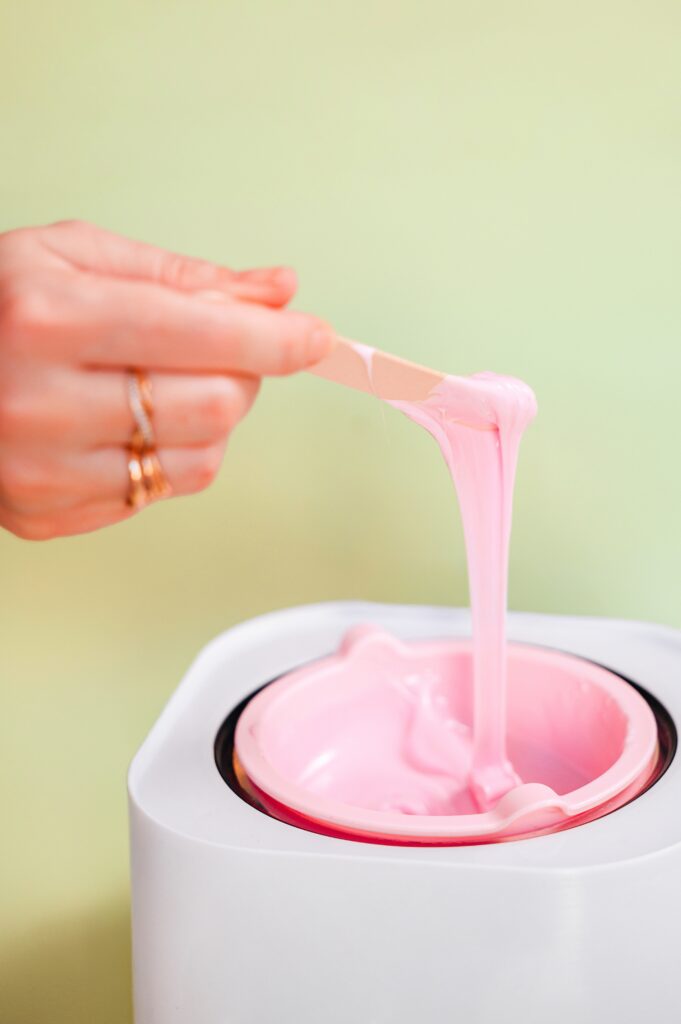
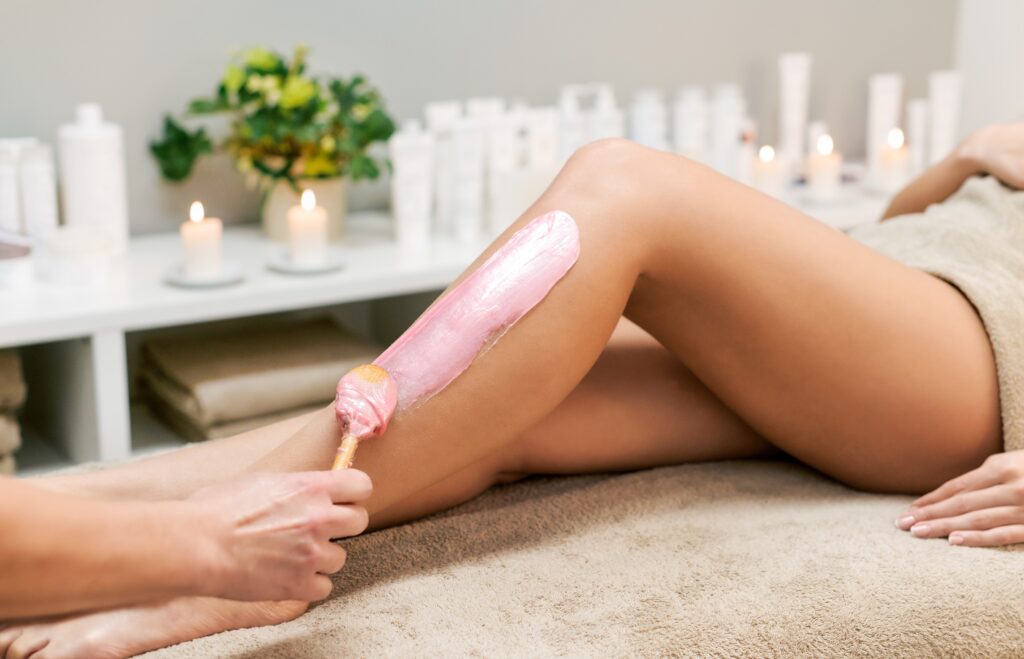
Hard wax (also called stripless wax) is applied warm, hardens as it cools, and is removed by gripping the edge and pulling the hardened wax directly off the skin without cloth strips. The wax adheres primarily to the hair rather than the skin, making it gentler on sensitive areas.
How Hard Wax Works
The wax is applied in a thick layer over the treatment area, following hair growth direction. As it cools and hardens, it encapsulates the hair. Once firm but still pliable, the technician lifts an edge and removes the hardened wax in one piece, pulling against the direction of hair growth and removing hair from the follicle.
Hard Wax Characteristics
Skin Adhesion: Minimal—primarily grips hair rather than skin. Pain Level: Generally less painful, especially on sensitive areas. Best For: Sensitive areas, coarse hair, smaller treatment areas. Application Temperature: Lower than soft wax, reducing burn risk. Removal: No strips required; wax removes itself. Hair Length Needed: Can grip shorter hair than soft wax (as short as 2-3mm).
Ideal Applications for Hard Wax
Bikini and Brazilian: The reduced skin adhesion makes hard wax ideal for this sensitive area. Underarms: Sensitive skin and curved surfaces suit hard wax application. Face: Gentler removal protects delicate facial skin. Sensitive Skin Clients: Those who react strongly to waxing often tolerate hard wax better.
Understanding Soft Wax
What Is Soft Wax?
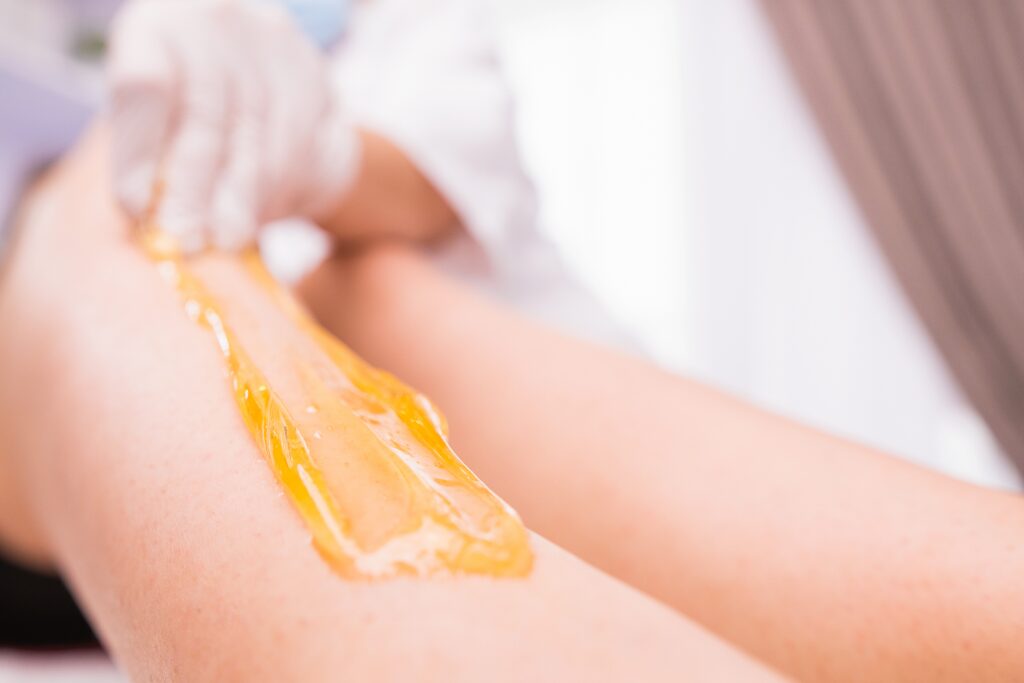
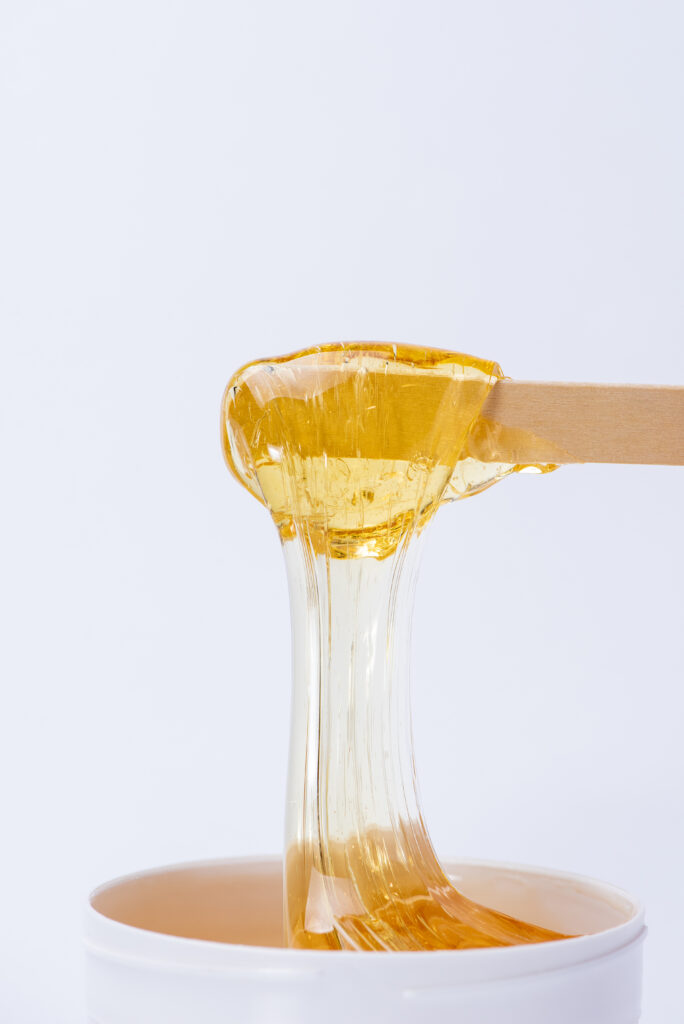
Soft wax (also called strip wax) is applied in a thin layer and removed using cloth or paper strips. The wax adheres to both hair and skin, providing strong grip for efficient hair removal over larger areas.
How Soft Wax Works
Warm wax is applied thinly in the direction of hair growth. A cloth or paper strip is pressed firmly onto the wax, then quickly pulled away against the hair growth direction. The strip removes both wax and hair.
Soft Wax Characteristics
Skin Adhesion: Strong—adheres to both hair and skin. Pain Level: Can be more intense due to skin adhesion. Best For: Large areas, fine hair, efficient treatment. Application Temperature: Warmer than hard wax. Removal: Requires cloth or paper strips. Hair Length Needed: Works best with longer hair (at least 6mm).
Ideal Applications for Soft Wax
Legs: Large, relatively flat surface ideal for quick strip removal. Arms: Efficient coverage of larger area. Back and Chest: Large areas where speed matters. Fine Hair: Strong adhesion grips fine hair effectively.
Direct Comparison
Pain and Comfort
Hard wax generally causes less discomfort because it doesn’t adhere to skin as strongly. For sensitive areas or clients with low pain tolerance, hard wax offers a gentler experience. Soft wax pulls on skin as well as hair, which can increase discomfort but provides more thorough exfoliation.
Efficiency and Speed
Soft wax typically allows faster treatment of large areas. The thin application and strip removal process is efficient for legs, backs, and arms. Hard wax requires thicker application and careful timing for removal, making it slower but more appropriate for detailed work on smaller areas.
Hair Removal Effectiveness
Both types effectively remove hair when properly applied. Soft wax’s stronger adhesion may grip fine, vellus hair better. Hard wax excels at removing coarse, stubborn hair due to its encapsulating grip.
Skin Impact
Soft wax provides exfoliation by removing dead skin cells along with hair. This can be beneficial but may irritate sensitive skin. Hard wax’s gentler approach suits reactive or sensitive skin types better.
Cost Considerations
Soft wax typically costs less per application due to thinner coverage. Strip expenses add to soft wax costs. Hard wax requires more product per treatment but eliminates strip costs. Overall costs are roughly comparable.
Choosing the Right Wax
Consider the Body Area
Use Hard Wax For: Bikini and Brazilian, underarms, face (eyebrows, lip, chin), and any sensitive area.
Use Soft Wax For: Full legs, arms, back and chest, and large body areas.
Consider the Hair Type
Use Hard Wax For: Coarse, stubborn hair, short hair (can grip 2-3mm), and curly or difficult hair.
Use Soft Wax For: Fine to medium hair, longer hair (6mm+), and straight hair.
Consider the Client
Use Hard Wax For: Sensitive skin types, first-time waxing clients, those who’ve had poor experiences with soft wax, and clients with skin conditions requiring gentler treatment.
Use Soft Wax For: Regular waxing clients with resilient skin, those prioritising quick appointments, clients wanting exfoliation benefits, and large area treatments.
Application Best Practices
Hard Wax Technique
Temperature: Test on your inner wrist—should be warm, not hot. Hard wax burns are less common due to lower application temperature, but caution remains essential.
Thickness: Apply thick enough to create a lip edge for removal, but not so thick it takes too long to set.
Direction: Apply with hair growth, remove against.
Timing: Remove when wax is pliable but firm—too soft and it won’t grip well; too hard and removal becomes difficult.
Skin Tension: Hold skin taut during removal for comfort and effectiveness.
Soft Wax Technique
Temperature: Warmer than hard wax but never burning. Test carefully.
Thickness: Thin, even layer provides best results and easiest strip removal.
Direction: Apply with hair growth, remove against.
Strip Application: Press firmly, rubbing in direction of hair growth to ensure adhesion.
Removal: Quick, parallel pull close to skin surface—not lifting upward.
No Reapplication: Never apply soft wax to the same area twice—this causes irritation and skin damage.
Combining Both Techniques
Hybrid Appointments
Many technicians use both wax types in single appointments, selecting the optimal product for each body area. A full body wax might use hard wax for bikini and underarms, soft wax for legs and arms—combining efficiency where appropriate with gentleness where needed.
Client Communication
Explain your product choices to clients. When they understand why you’re using different waxes on different areas, they appreciate your expertise and care for their comfort.
Climate and Seasonal Considerations
New Zealand Climate Factors
New Zealand’s moderate climate is generally favourable for waxing services:
Summer: Increased demand for waxing services as clients wear less clothing. Beach culture means bikini and leg waxing peak during warmer months.
Year-Round: Consistent demand for facial waxing regardless of season.
Humidity: Coastal humidity can affect wax consistency. Understanding your products’ behaviour in different conditions helps ensure consistent results.
Understanding seasonal patterns helps you manage inventory and scheduling.
Building Expertise
Training Considerations
Quality training covers both wax types thoroughly. Understanding proper temperature, application technique, and removal methods for each ensures safe, effective treatments. Avoid skipping hard wax training just because soft wax seems simpler—both skills are essential for professional competence.
Product Knowledge
Different brands of hard and soft wax have different characteristics. Invest time in learning your specific products’ optimal temperatures, application thickness, and removal timing. Manufacturer guidelines provide starting points, but experience refines your technique.
Continuing Development
As new wax formulations enter the market, stay informed about innovations. Some newer products blur traditional hard/soft categories, offering hybrid benefits worth exploring.
At New Zealand Beauty School, our beauty courses including waxing training teach both hard and soft wax techniques for complete professional competence.
Ready to master professional waxing? Our courses teach both hard and soft wax techniques, preparing you to serve every client with confidence. Build the expertise to choose the right approach for every situation. Explore our courses today and start your waxing career.