
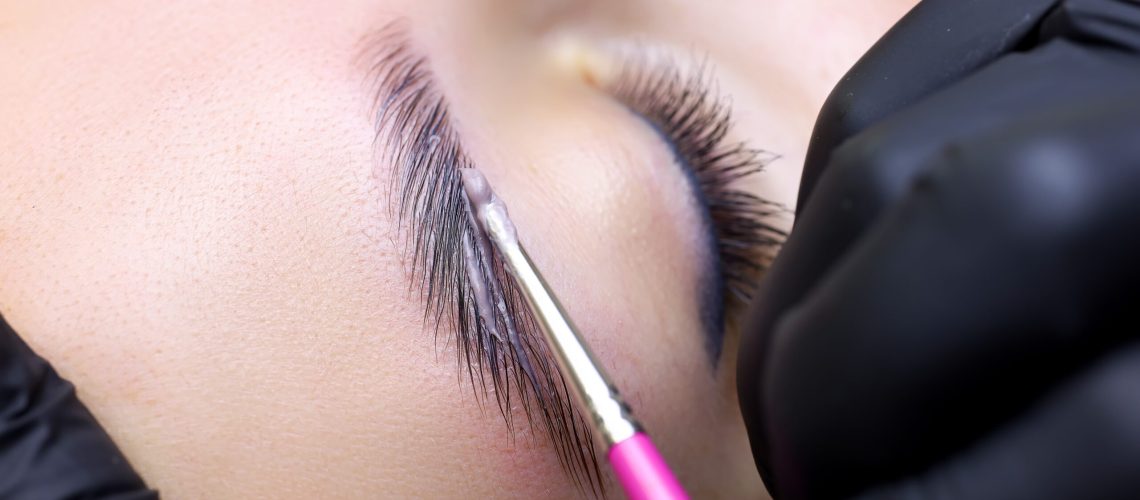
Brow lamination typically lasts 4 to 6 weeks, and sometimes up to 8 weeks with proper care. If your results fade earlier, it’s often due to poor aftercare, harsh skincare products, lifestyle factors, or improper application technique. Understanding these factors helps both technicians and clients get the most from this popular treatment.
Most clients can expect their brow lamination to last 4 to 6 weeks, depending on their hair growth cycle and aftercare routine. The difference between a 4-week result and an 8-week result often comes down to the small details of daily care and environmental factors.
What Is Brow Lamination and How Does It Work?
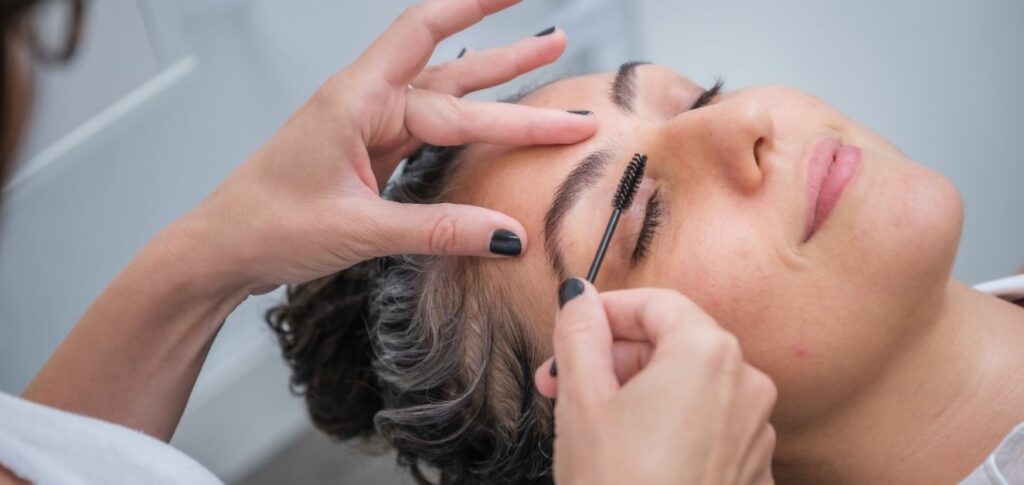
Brow lamination uses a setting lotion that reforms the bonds in your brow hairs to lock them in a uniform direction. The treatment essentially gives brow hairs a new “memory,” allowing them to hold their lifted, brushed-up position without daily styling. Many treatments also include brow tinting to add depth or darken the brows for a more dramatic effect.
It’s often compared to lash lifts—a similar process, but for eyelashes. Think of it as a perm for your brows that creates a sleek, polished look without the commitment of permanent makeup.
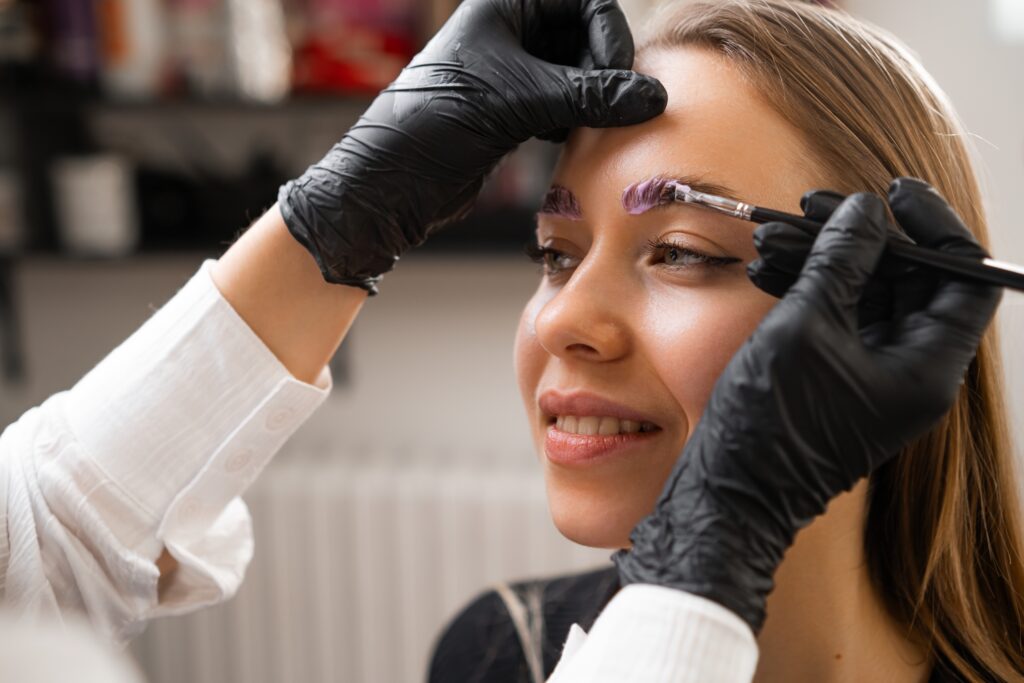
The chemical process involves three main steps: a lifting solution breaks down the disulfide bonds in the hair, the hairs are repositioned into the desired shape using a silicone pad or brush, and a neutralising solution reforms the bonds in their new configuration. A nourishing treatment is typically applied afterward to restore moisture and protect the newly structured hairs.
Understanding this chemistry helps explain why certain aftercare practices matter so much—anything that interferes with those reformed bonds can shorten the life of your lamination.
Why Your Lamination Might Fade Early
If your lamination only lasts a week or two, it’s not your imagination—something has gone wrong. Here’s a comprehensive look at why results might fade faster than expected:
Aftercare Issues
Getting brows wet within the first 24–48 hours is the most common cause of premature fading. Water disrupts the setting process before the bonds fully reform, essentially undoing the treatment before it has a chance to stabilise. This includes not just direct water contact but also steam from cooking, showering, or using a facial steamer.
Using oil-based cleansers or harsh skincare products breaks down the chemical bonds that hold the lamination in place. Oils are particularly problematic because they penetrate the hair shaft and interfere with the new structure. This includes many popular cleansing oils, balms, micellar waters with oil, and even some moisturisers. Check ingredient lists carefully.
Scrubbing or exfoliating near brows disrupts the setting and can physically displace hairs from their new position. Even gentle cleansing should be done carefully around the brow area during the first week. Use fingertip pressure rather than cloths or cleansing devices near the brows.
Lifestyle Factors
Swimming, sauna sessions, and frequent sweating all degrade the chemical bonds faster than normal. Heat and moisture are the enemies of laminated brows. New Zealand’s beach culture means many clients swim regularly—this needs to be addressed during consultation.
Sleeping face-down or on your side flattens the brows prematurely. The pressure combined with friction from pillowcases can undo the lifted effect, especially during the first few nights when the treatment is still setting. This is one of the most overlooked causes of early fading.
Frequent, intense workouts introduce heat and moisture around the brows regularly. If your client is very active, they may need more frequent touch-ups or adjusted aftercare protocols.
Hair Type Factors
Fast hair growth cycles cause new, un-laminated hairs to appear quickly. These new hairs won’t have the same lifted effect, making the overall look appear less uniform over time. This is a natural process that affects everyone differently based on genetics. Clients with faster hair growth may need appointments every 4 weeks rather than 6-8.
Very fine or soft hair may not hold shape as long as coarse, dense brows. The hair structure affects how effectively the lamination solution can restructure the bonds and how well those new bonds hold under daily stress.
Technique Issues
If the lifting solution sits too long, it overprocesses the hair—causing weak, brittle strands that can’t hold their shape. Overprocessed hair loses its structural integrity and becomes prone to breakage and drooping. The lift may look good initially but fail within days.
Too short processing time means the bonds aren’t fully broken and reformed, so the curl isn’t properly set and flattens within days. Finding the right timing requires experience and careful observation of each client’s hair type.
Inconsistent timing across different sections of the brows results in uneven outcomes. Professional training through a Certificate in Eyebrow Lamination teaches proper timing techniques for different hair types and textures.
DIY brow kits are inherently unpredictable. Without professional training, it’s difficult to achieve consistent, long-lasting results that justify the investment of time and money.
How to Extend Your Lamination Results
Follow these aftercare tips for maximum longevity of your brow lamination:
First 48 Hours
Keep brows completely dry—no water, steam, or sweat should contact them. This means careful face washing (avoiding the brow area entirely), avoiding steam from cooking, and skipping the gym. Some clients choose to schedule lamination appointments before a rest day or weekend.
Avoid touching or brushing the brows during this initial period. The temptation to check the results is strong, but every touch can disrupt the setting process.
Sleep on your back if possible. A silk or satin pillowcase can help reduce friction if you tend to move during sleep. Some clients find a travel pillow helpful for maintaining back-sleeping position.
Ongoing Care
Apply a weekly keratin treatment or conditioning mask to maintain hair health and moisture. Laminated hair can become dry over time, and conditioning helps preserve both the health and the lift.
Brush brows daily with a clean spoolie to keep them in their lifted position. This gentle daily maintenance helps train the hairs to stay in place as the treatment gradually fades.
Avoid oil-based products near the brow area entirely. Check ingredient lists on cleansers, moisturisers, sunscreens, and even makeup removers for oils that could compromise the treatment.
Lifestyle Adjustments for New Zealand Clients
If you swim regularly, wear goggles that create a seal around the brow area. After any water exposure, gently pat (don’t rub) the area dry immediately.
New Zealand’s variable climate presents unique challenges—Auckland’s humidity differs significantly from the dry Central Otago air. Adjust your aftercare recommendations based on your client’s location and lifestyle. In humid conditions, a light setting product can help maintain the lift.
After workouts, gently blot away any sweat from the brow area rather than wiping or rubbing. Consider silk pillowcases to reduce friction during sleep.
When to Book Your Next Appointment
Most clients should schedule their next lamination appointment at the 6-week mark. This timing catches the treatment before it’s completely faded while allowing enough time for natural hair turnover.
If you notice significant fading before the 4-week mark, consult with your brow technician about adjusting technique or aftercare. Persistent early fading usually indicates a specific issue that can be addressed.
Some clients prefer to maintain a consistent 4-week schedule for optimal results, while others can stretch to 8 weeks with excellent aftercare. Work with your technician to find the right maintenance schedule for your individual needs.
For professionals looking to master lamination techniques, our Certificate in Eyebrow Lamination covers everything from proper solution timing to troubleshooting common issues like premature fading.
The Value of Professional Training
Understanding why lamination fades—and how to prevent it—is essential knowledge for beauty professionals. Clients who experience long-lasting results become repeat customers and refer friends. Those who experience premature fading often don’t return.
Professional training provides the detailed knowledge needed to customise treatments for each client’s unique hair type, lifestyle, and goals. This expertise is what separates amateur results from professional-quality outcomes.