
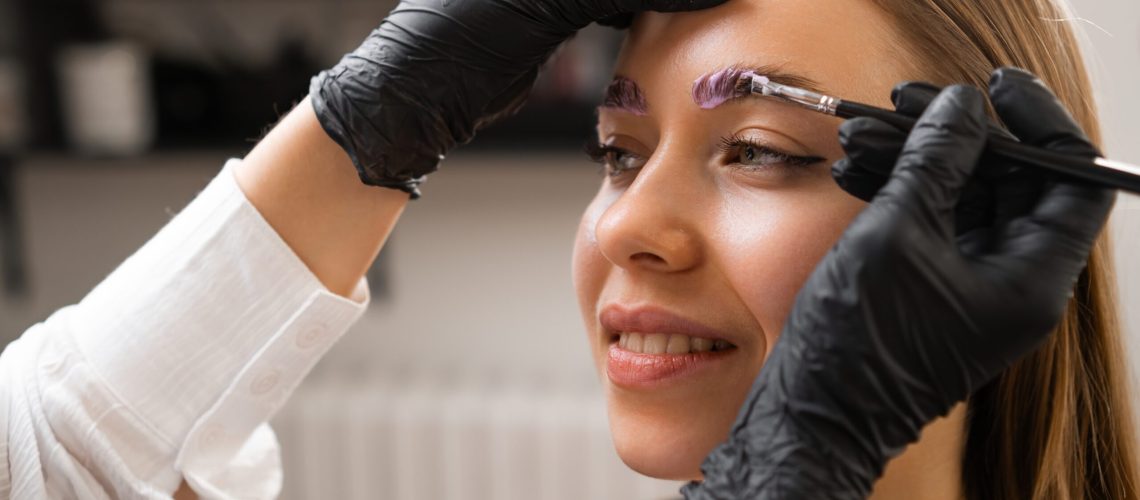
You should wait at least 24 to 72 hours between brow tinting and lamination to protect your brow hairs and skin from overprocessing. The ideal timing depends on your hair type, sensitivity, and the order in which treatments are done. Understanding this timing is essential for beauty professionals and clients alike who want to achieve stunning brows without compromising hair health or skin integrity.
Both brow tinting and brow lamination involve chemicals that alter the structure or colour of your brow hairs. If done too close together, they can overlap and cause irritation or damage. At New Zealand Beauty School, we generally recommend tinting after lamination—but with a 48-hour buffer to allow the brow hairs to recover from the initial treatment.
This timing allows the hair to regain moisture and structure before undergoing a second chemical process. For professionals who want to master these treatment combinations safely, it’s essential to understand both the science and technique through proper brow training. The New Zealand beauty industry has seen tremendous growth in brow services, making this knowledge increasingly valuable for aspiring beauty professionals across the country.
Why Timing Matters Between Brow Treatments
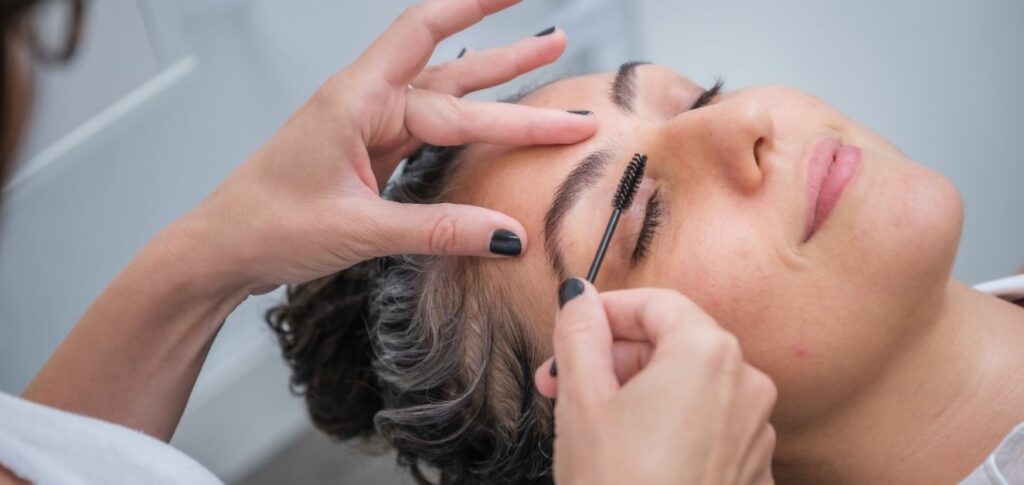
The main reason timing matters is that both treatments affect the cuticle layer of brow hair. Brow tinting uses dyes (often peroxide-based) to darken the brows for a fuller look. Brow lamination chemically relaxes and reshapes brow hairs, keeping them styled in place for weeks at a time.
When you combine these treatments too quickly, the hair cuticle remains open and vulnerable. This vulnerability can lead to several issues that both technicians and clients should be aware of. Chemical overlap can cause irritation, redness, or burning sensations that may persist for several days. Results may be unpredictable or fade quickly, leaving clients disappointed with their investment. Most concerning, hair can become brittle or damaged, potentially leading to breakage or hair loss in the brow area.
The science behind this is straightforward: when hair undergoes chemical processing, the protective cuticle layer opens to allow the treatment to penetrate. After treatment, this cuticle needs time to close and the hair structure needs time to stabilise. Introducing another chemical process before this healing occurs compounds the stress on already vulnerable hair fibres.
Understanding this process at a deeper level helps technicians make better decisions for their clients. The cuticle layer consists of overlapping scales that protect the inner cortex of the hair. When we apply lamination solutions, these scales lift to allow the restructuring chemicals to penetrate. The neutralising step helps close these scales, but complete recovery takes time.
Safe Treatment Intervals by Hair Type
Understanding how different hair types respond to chemical treatments is crucial for determining appropriate waiting periods. Not all brow hairs are created equal, and what works for one client may not be suitable for another.
Fine or Light Brow Hairs
Wait a full 72-hour gap for clients with fine or light brow hairs. Rushing it can lead to fading and frizz that’s difficult to correct. Fine hairs are more susceptible to overprocessing and require extra recovery time between chemical treatments. These hairs have a thinner cortex and cuticle layer, making them more vulnerable to damage from chemical processes. Clients with naturally blonde or light brown brows often fall into this category and need the most careful approach.
Fine hair also tends to absorb chemicals more quickly, meaning processing times should be shorter and waiting periods between treatments should be longer. A skilled technician learns to recognise fine hair during consultation and adjusts their approach accordingly.
Normal Brow Hairs
A 48-hour gap is typically sufficient for most clients with normal brow density and texture. This allows adequate time for the hair structure to stabilise after lamination before introducing tinting chemicals. The majority of clients you’ll encounter will fall into this category, making the 48-hour guideline a good standard practice for your service protocols.
Normal brow hair can handle standard processing times and typically shows predictable results. However, even with normal hair, it’s important to assess each client individually and consider factors beyond just hair type, such as skin sensitivity and previous treatments.
Coarse or Dark Brow Hairs
Some clients with coarse or dark brow hairs may tolerate 24 hours between treatments, but 48 hours is still recommended for optimal safety. Even resilient hair benefits from proper recovery time. Coarse hair has a thicker cuticle layer that provides more protection, but this doesn’t mean it’s immune to damage from rushed treatments.
Coarse hair may require longer processing times during each individual treatment, which can increase the overall stress on the hair. This makes adequate recovery time even more important despite the hair’s apparent resilience.
The Science Behind Treatment Timing
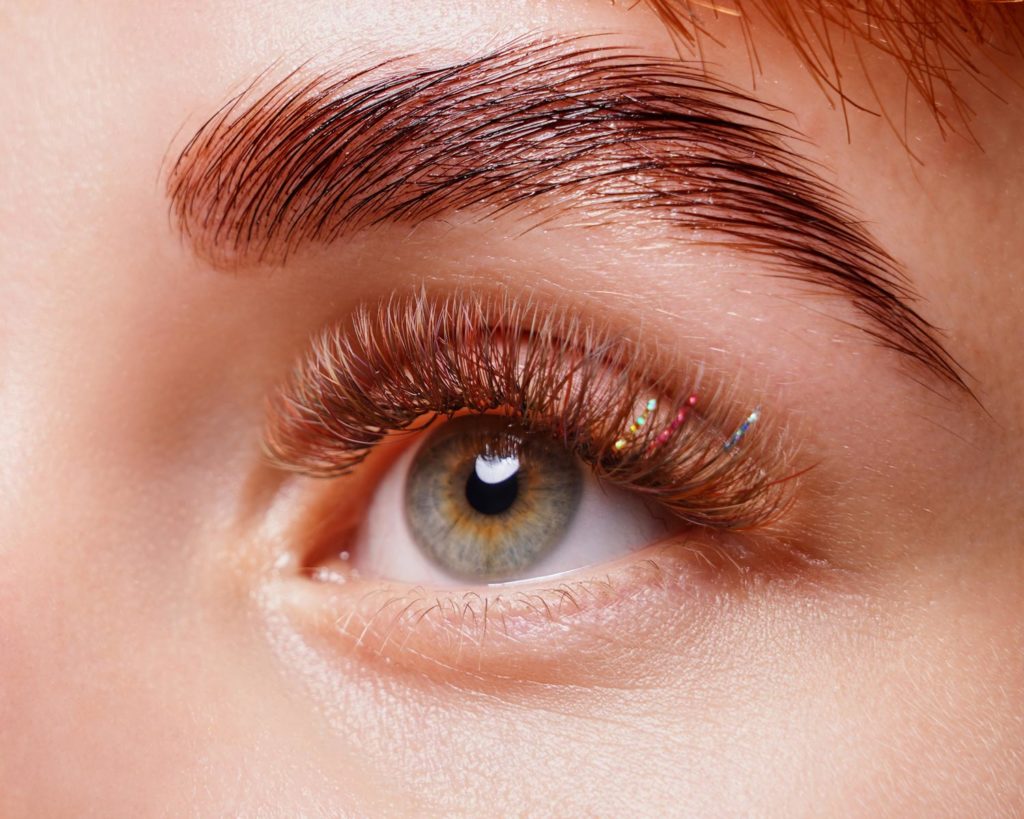
Both brow tinting and lamination work by penetrating the hair cuticle. According to cosmetic chemistry research, when the cuticle is already compromised from one treatment, introducing another chemical process can lead to significant issues.
Increased porosity causes uneven colour absorption, resulting in patchy or inconsistent tinting results. The hair becomes like a sponge, absorbing tint unevenly and potentially developing darker spots where damage is more severe. Weakened hair structure leads to breakage, which is particularly problematic in the brow area where hair growth cycles are slow—it can take months to recover from significant breakage.
There’s also a higher risk of contact dermatitis and skin irritation, especially in New Zealand’s high-UV climate where skin may already be stressed from environmental factors. The skin around the brows is delicate and can become sensitised when exposed to multiple chemical treatments in quick succession.
The hair’s natural moisture balance is also affected by chemical treatments. Lamination solutions break and reform disulfide bonds within the hair, while tinting involves oxidation processes. Both of these create temporary vulnerability in the hair structure that requires time to resolve naturally. Without adequate recovery time, this vulnerability compounds with each treatment.
Professional Best Practices for Combined Treatments
At New Zealand Beauty School, our Certificate in Eyebrow, Facial Waxing and Tinting emphasises personalised timing and safe, science-backed techniques. Advanced modules cover how to combine tinting, waxing, and lamination while protecting skin integrity—ensuring clients leave with long-lasting, damage-free brows.
Always perform a patch test before any chemical brow service, regardless of whether the client has had treatments before. Allergies and sensitivities can develop over time, and products change formulations. Document your client’s reaction times and adjust your protocols accordingly. This documentation becomes invaluable for building a comprehensive client history that informs future treatments.
Consider the client’s overall skin health and any products they’re currently using. Clients who use retinoids, chemical exfoliants, or have recently had facial treatments may need extended waiting periods between brow services. A thorough consultation that covers skincare routines, medications, and recent treatments helps you make informed decisions.
Creating a standardised consultation form that includes questions about timing between treatments, skincare products, and previous reactions helps ensure you gather all necessary information before proceeding.
Which Treatment Should Come First?
The recommended order is lamination first, then tinting. Here’s why this sequence produces the best results:
Lamination restructures the hair bonds, which can affect how tint absorbs into the hair shaft. By laminating first, you create a stable foundation where the hair is already in its final position. The tint can then be applied to hair that’s already in its final shape, resulting in more even colour distribution and longer-lasting results.
If you reverse this order and tint first, the lamination process can cause colour to fade or shift unpredictably. The chemicals used in lamination can interact with tint molecules, leading to colour changes that neither you nor your client expected. Some technicians have reported tint turning orange or fading significantly when lamination is performed afterward.
If you’re looking to add eyebrow lamination to your service menu, understanding proper treatment sequencing is essential for client safety and satisfaction. This knowledge sets professional technicians apart from those who simply follow basic protocols without understanding the underlying science.
Client Consultation Questions
Before combining treatments, conduct a thorough consultation with your clients. Ask these essential questions to determine the safest timing and approach:
When did you last have any brow treatments? This includes not just professional services but also at-home tinting kits or brow products that may affect the hair or skin condition. Some at-home products contain harsh chemicals that can linger in the hair.
Do you have any skin sensitivities or allergies? Document any reactions to cosmetic products, skincare ingredients, or previous beauty treatments. Even mild sensitivities can become more pronounced when multiple treatments are combined.
Are you using any active skincare ingredients like retinol? These products thin the skin and increase sensitivity, potentially extending the recommended waiting period between treatments. Clients may not realise their skincare routine affects brow treatments.
Have you experienced any reactions to brow products before? Even minor irritation in the past can indicate sensitivity that requires a more cautious approach. Previous reactions often predict future ones.
Seasonal Considerations for New Zealand Clients
New Zealand’s unique climate creates specific considerations for brow treatments. During summer months, the country’s intense UV exposure can stress skin significantly, and clients may have more sun-damaged or sensitised skin that requires gentler treatment approaches.
The high UV index across New Zealand—particularly in the South Island during summer—means skin is often under environmental stress. Clients who spend significant time outdoors may have more compromised skin that requires extended recovery periods between treatments.
In winter, particularly in areas like Queenstown or Dunedin, indoor heating creates dry air that can affect treated brows, while cold outdoor temperatures can be harsh on chemically processed hair. Auckland and Wellington’s humidity levels vary significantly between seasons, which can also impact treatment longevity.
Building Your Expertise
Understanding the science behind treatment timing is just one aspect of becoming a skilled brow professional. Comprehensive training covers not only the technical aspects of individual treatments but also how to assess clients, manage expectations, and build a thriving practice.
Our online brow courses provide the foundation you need to offer safe, effective brow services that keep clients coming back. With proper training, you’ll be equipped to handle any hair type and create customised treatment plans that deliver beautiful results while prioritising safety.
The New Zealand beauty industry continues to grow, and skilled brow technicians are in high demand across the country. Whether you’re in Auckland, Wellington, Christchurch, or a smaller community, the ability to offer professional brow services opens doors to exciting career opportunities.