

Professional makeup artistry is one of the most diverse and creatively fulfilling career paths in the New Zealand beauty industry. Bridal and wedding makeup, personal glam and events, editorial and commercial photography, film and television, and special effects makeup are all distinct specialisations within the broader New Zealand makeup market — each with its own client base, technical requirements, and income model. For anyone with a natural creative eye and genuine interest in transformative beauty work, a professional makeup artist course is the starting point for a career that can develop in many directions.
This guide covers what a professional makeup artist course in New Zealand should teach, how to evaluate training quality, what career paths exist in the Kiwi market, and what you can realistically earn at different career stages.
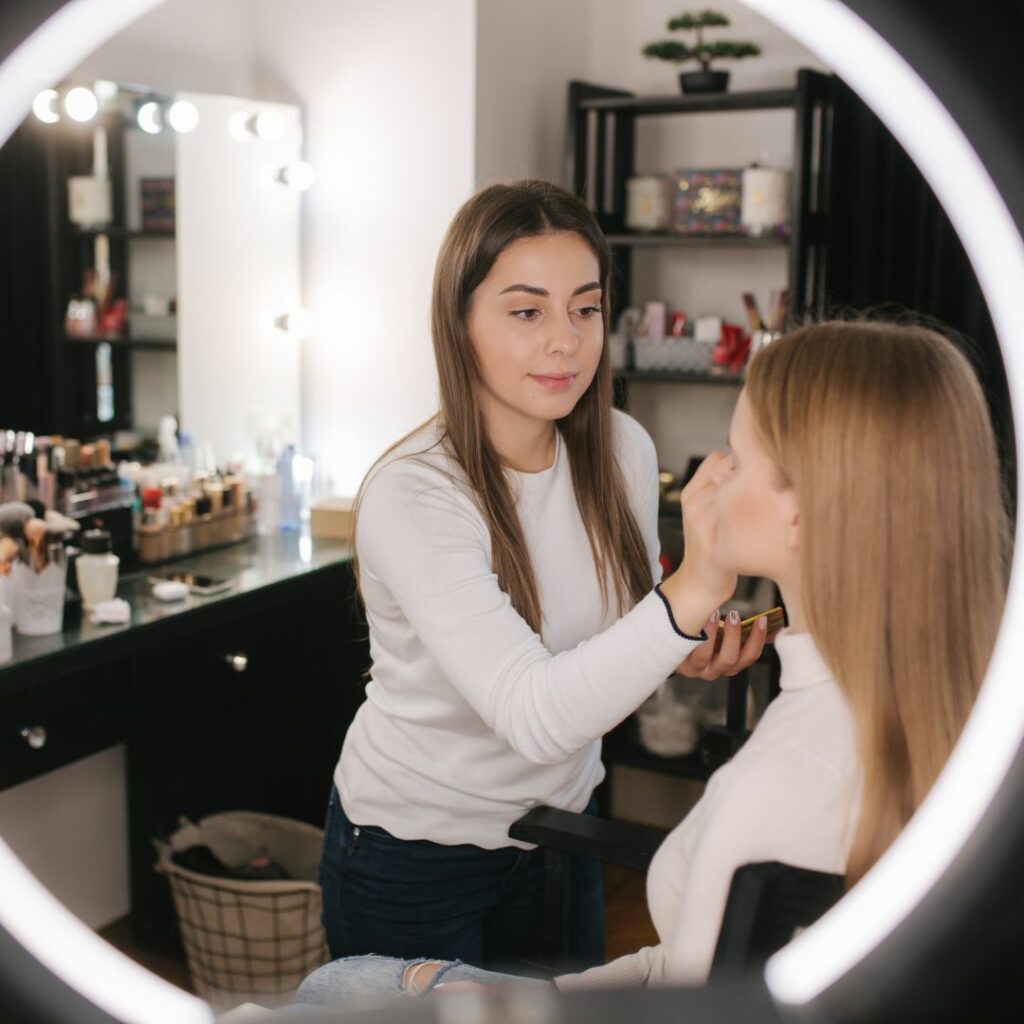
What Does a Professional Makeup Artist Course Cover?
A comprehensive makeup artist course in New Zealand is built on a foundation of skin science and colour theory before developing practical techniques across multiple makeup styles and client types.
Skin anatomy and skin typing are foundational. Understanding the structure of the skin — the epidermis, dermis, and their relevant sub-layers — how different skin types respond to product application and environmental conditions, and how to assess and prepare the skin for makeup are non-negotiable professional competencies. In New Zealand’s diverse urban markets — particularly Auckland, with its significant Māori, Pacific Island, and Asian populations — the ability to work confidently across the full spectrum of skin tones, types, and undertones is a professional expectation and a significant competitive advantage. Healthline covers makeup safety and skin health from a consumer perspective — practitioners who are familiar with this content can address client questions about product safety with clinical credibility during consultation.
Colour theory is the intellectual backbone of makeup artistry. Understanding warm and cool undertones, how to colour-correct specific concerns, how to select foundation shades and formulations for every skin tone in the Kiwi market, and how colour relationships work in contouring, highlighting, and eyeshadow application requires systematic study. This is knowledge that makes results reliable and reproducible, not simply intuitive creativity.
Classic makeup techniques include natural everyday looks, defined eyeshadow work, smoky eyes, and evening and event makeup. Bridal application — where longevity, photography performance across the full day, and client comfort through a potentially eight-to-ten-hour occasion are the primary technical requirements — is a dedicated component of the curriculum given the significance of the NZ bridal market. Business and portfolio development content covers pricing strategy, client consultation and contract protocols, portfolio photography and social media marketing specific to the New Zealand market, and how to navigate the specific business models available. For a sense of the career landscape, Allure provides a widely referenced guide to building a professional makeup career — the fundamentals of portfolio development, client acquisition, and specialisation it covers apply directly to the New Zealand market alongside local considerations around the NZ wedding season and destination wedding sector.
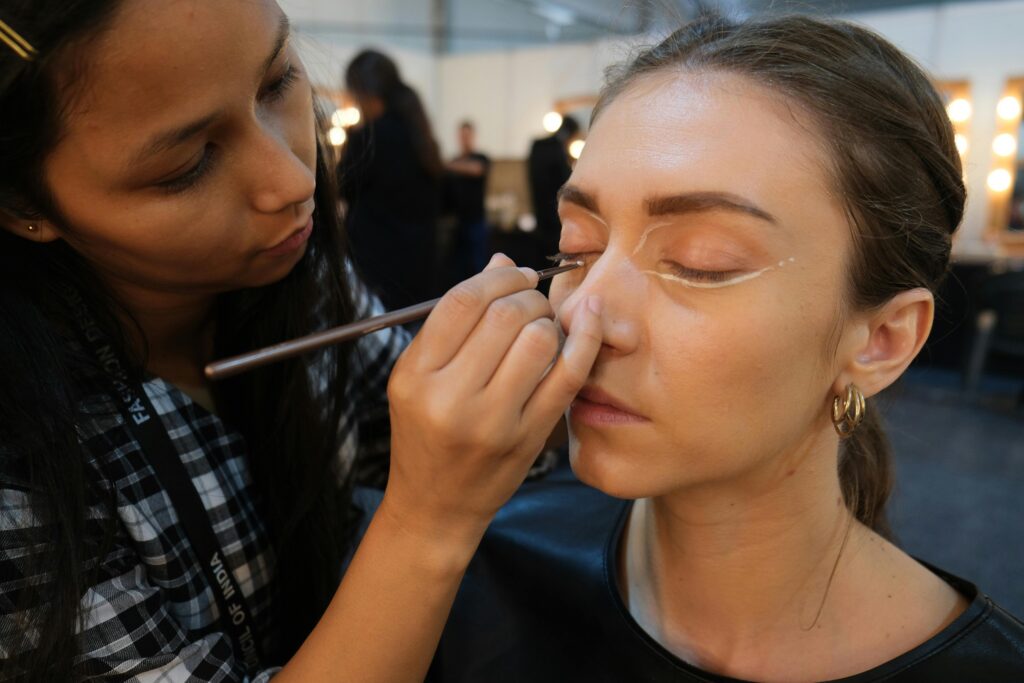
The New Zealand Makeup Market
New Zealand’s makeup market is dominated by bridal and wedding work, driven by a year-round wedding season that peaks from October through April. The NZ destination wedding sector — particularly in Queenstown, Hawke’s Bay, Marlborough, and Waiheke Island — generates significant demand from both domestic and international clients who require the full suite of beauty services on location.
Auckland’s commercial and advertising market provides opportunities for session and editorial makeup work alongside the wedding economy. The film and television industry in Auckland generates employment for makeup artists at every level, from set assistant roles through to established head of department positions. The social and Pacific communities across Auckland also generate demand for makeup artists familiar with the specific beauty preferences and skin tone considerations of Māori and Pacific Island clients.
What Can You Earn as a Makeup Artist in New Zealand?
Personal glam and event makeup in New Zealand is priced at NZD $150 to $350 per client for established practitioners. Bridal makeup ranges from NZD $200 to $500 for the bride, with bridal party members at NZD $100 to $180 per person. A full bridal party of six generates NZD $700 to $1,400 from a single booking. Commercial and advertising day rates for experienced New Zealand makeup artists range from NZD $400 to $900 per shoot day.
For career data on the makeup artist profession in New Zealand, Careers New Zealand provides a useful overview of the profession — including typical income ranges, work settings, and the career progression from newly qualified through to experienced working MUA.
For current makeup artist roles across NZ, Seek NZ lists positions that provide benchmark employed market data alongside your freelance practice.
Our Certificate in Professional Make Up Artistry provides the comprehensive foundational training for a NZ makeup career. Our article on professional makeup artist course: from beginner to working MUA in 6 months covers the career development timeline. All training is at New Zealand Beauty School.