
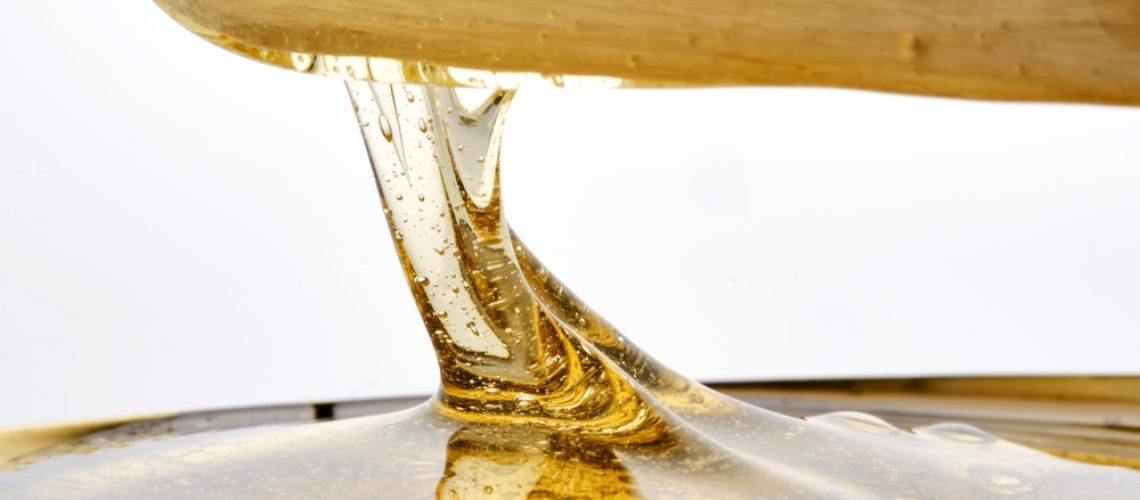
Sugaring—an ancient hair removal technique using a paste made from sugar, lemon, and water—is experiencing a significant resurgence in New Zealand beauty salons. As clients become more ingredient-conscious and seek gentler alternatives to traditional waxing, sugaring offers a natural, effective option that’s attracting converts across the country.
Understanding this growing trend allows you to serve clients specifically seeking sugaring services while expanding your hair removal expertise. According to Stats NZ data on personal services and consumer trends, natural and organic beauty services continue gaining market share, with sugaring benefiting from this broader movement toward cleaner beauty.
At New Zealand Beauty School, our beauty courses prepare you for diverse hair removal techniques to serve evolving client preferences.
Understanding Sugaring
What Is Sugaring?
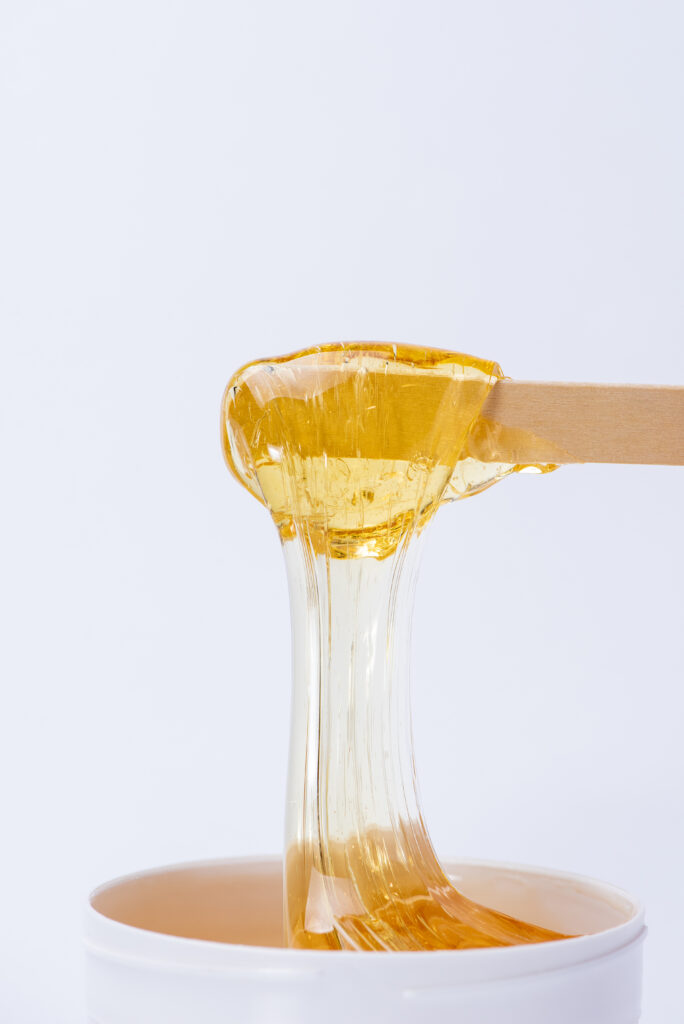
Sugaring uses a paste made from three simple ingredients: sugar, lemon juice, and water. This mixture is heated to create a pliable, honey-like substance that’s applied to skin and removes hair from the follicle. The technique has been used for thousands of years, with origins traced to ancient Egypt, Mesopotamia, and Greece.
The basic formula contains nothing clients can’t pronounce or understand—a significant appeal in an era of ingredient awareness.
How Sugaring Works
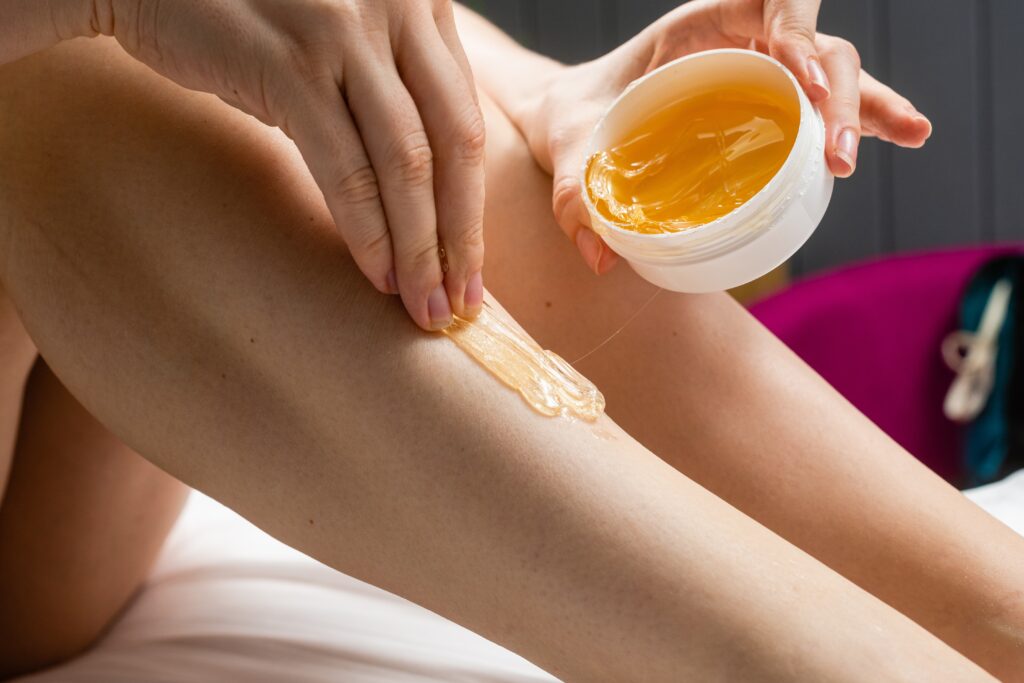
The sugar paste is applied at body temperature or slightly warm—significantly cooler than waxing. Using a technique called “flicking,” the technician applies paste against hair growth direction, then flicks it off in the direction of growth. This differs from waxing, which removes hair against growth direction.
The paste adheres to hair and dead skin cells but doesn’t stick to living skin, allowing for gentler removal and the ability to go over the same area multiple times if needed without the irritation double-waxing causes.
Traditional vs Gel Sugaring
Traditional (Hand Method): The technician uses a ball of sugar paste, manipulating it by hand to apply and remove hair. This method requires significant skill but provides precise control.
Gel Sugaring: A softer gel-consistency sugar product applied with a spatula and removed with strips, similar to soft wax application but using sugar-based product.
Both methods are legitimate; preference often depends on technician training and client needs.
Why Clients Choose Sugaring
Natural Ingredients Appeal
The simple, recognisable ingredient list attracts clients concerned about chemical exposure. Sugar, lemon, and water represent ingredients they use in their kitchen—a stark contrast to the complex chemical formulations in many waxing products.
Clients with sensitive skin, allergies, or those following natural lifestyle philosophies particularly appreciate this transparency. According to Health New Zealand guidelines, understanding product ingredients helps consumers make informed choices.
Gentler Experience
Several factors make sugaring gentler than traditional waxing:
Lower Temperature: Sugar paste is applied at body temperature or slightly warm, eliminating burn risk.
Hair Growth Removal: Removing hair in its growth direction reduces breakage and may decrease ingrown hairs.
Skin Adhesion: Sugar doesn’t adhere to living skin cells as strongly as wax, reducing irritation.
Repeat Application: The same area can be treated multiple times without the damage caused by multiple wax applications.
Effective Results
Despite its gentleness, sugaring effectively removes hair. The paste can grip shorter hair than many waxes (as short as 3mm), making it suitable for maintenance appointments when hair hasn’t grown as long. With consistent sugaring, many clients report hair growing back finer and sparser over time.
Environmental Considerations
Sugar paste is water-soluble and biodegradable. Spills clean up easily, and the product doesn’t leave residue. For environmentally conscious Kiwi clients, this represents another advantage over petroleum-based wax products.
Sugaring vs Waxing Comparison
Application and Removal
| Factor | Sugaring | Waxing |
|---|---|---|
| Application Temperature | Body temperature | Hot (varies by wax type) |
| Removal Direction | With hair growth | Against hair growth |
| Skin Adhesion | Minimal | Moderate to strong |
| Repeat Application | Safe to repeat | Do not repeat (soft wax) |
Client Experience
| Factor | Sugaring | Waxing |
|---|---|---|
| Pain Level | Generally lower | Varies by area/type |
| Irritation | Usually minimal | Varies by skin type |
| Ingrown Hair Risk | Lower | Moderate |
| Burn Risk | Very low | Present (especially soft wax) |
Practical Considerations
| Factor | Sugaring | Waxing |
|---|---|---|
| Learning Curve | Steeper (hand method) | Moderate |
| Treatment Speed | Slower initially | Often faster |
| Hair Length Needed | 3mm minimum | 6mm+ (soft wax) |
| Cleanup | Easy (water soluble) | Requires wax remover |
Building Sugaring Skills
Training Importance
Sugaring—particularly the traditional hand method—requires specific training. The technique differs significantly from waxing, and attempting sugaring based on waxing experience alone produces poor results. Proper training covers paste consistency and temperature management, hand technique for paste manipulation, application and removal methods, treatment protocols for different body areas, and troubleshooting common issues.
Practice Requirements
The hand method requires significant practice to master. The paste consistency must be continually assessed and adjusted, and the flicking technique takes time to develop. Budget adequate practice time before offering services to paying clients.
Product Selection
Quality sugar paste matters. Poorly made paste may be too sticky, too firm, or inconsistent—all of which compromise results. Source professional-grade products from reputable suppliers, or learn to make quality paste yourself if pursuing that route.
Offering Sugaring Services
Market Positioning
Sugaring can be positioned as a premium, natural alternative to waxing. Clients specifically seeking sugaring often accept higher prices for the benefits they perceive. New Zealand market rates typically range from $50-$95 for Brazilian sugaring and $60-$105 for full leg sugaring, with prices varying by region.
However, some salons price sugaring comparably to waxing to encourage trial among curious clients.
Client Education
Many clients haven’t heard of sugaring or have misconceptions about it. Educating clients about the technique, benefits, and what to expect helps them make informed decisions. Marketing materials, website content, and consultation conversations all provide education opportunities.
Managing Expectations
While sugaring offers genuine benefits, it’s not magic. Results require proper technique, appropriate hair length, and realistic expectations. Some clients may not notice significant differences from waxing; others become devoted converts. Honest communication builds trust.
Integration with Other Services
Complementary Offerings
Sugaring complements other beauty services well. Clients seeking natural options often appreciate other treatments using gentle products. Building a cohesive natural beauty offering attracts clients who value consistency across services.
Service Menu Development
Consider how sugaring fits your overall service menu. Will you offer both sugaring and waxing, letting clients choose? Will you specialise in sugaring as your primary hair removal method? Will you reserve sugaring for sensitive areas while using waxing for large areas?
Your approach depends on your training, market demand, and business positioning.
New Zealand Market Considerations
Kiwi Values Alignment
New Zealand’s culture of environmental awareness and natural living creates strong alignment with sugaring’s benefits. Many Kiwi clients appreciate the natural ingredients, minimal environmental impact, and gentle approach.
Regional Variations
Demand for sugaring varies across New Zealand regions. Urban centres like Auckland and Wellington typically show stronger demand for specialty services. Smaller towns may require more client education about sugaring benefits.
Staying Current
Continuing Education
As sugaring gains popularity, new techniques, products, and approaches emerge. Stay informed through industry publications, continuing education, and professional networks.
Client Feedback
Pay attention to client experiences and preferences. Their feedback helps you refine your technique and service offerings. Regular sugaring clients provide valuable insight into what’s working and what could improve.
At New Zealand Beauty School, we prepare beauty professionals for evolving industry trends. Our courses build foundational skills that support specialisation in techniques clients are actively seeking.
Ready to expand your hair removal expertise? Our beauty courses build foundational skills that prepare you for diverse techniques including trending treatments like sugaring. Serve more clients with more options. Explore our courses today and build your complete beauty skill set.