
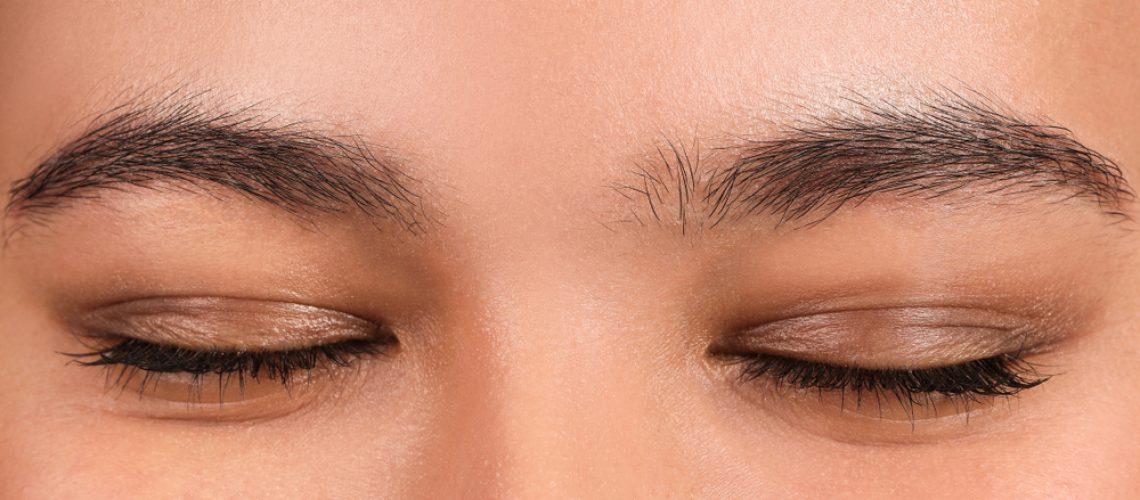
Curly eyebrows after brow lamination are typically caused by overprocessing or incorrect application of the lamination solution. This can damage the hair’s structure, resulting in frizz, curl, or kinks that weren’t intended—especially if aftercare instructions are ignored or the technician lacked adequate experience and training.
Brow lamination is a semi-permanent treatment designed to restructure brow hairs into a uniform, lifted shape. It uses a chemical solution to soften the hair shaft, then resets the brows into the desired position. When performed correctly, the results are smooth, sleek, and beautifully defined. When something goes wrong, curly or frizzy brows are often the result.
If you’re wondering when is the best time to get a brow lamination—the answer depends on your skincare routine and goals. It’s best to get it when you’re not using strong actives like retinol and ideally before special events when you want your brows looking their best.
The Main Culprit: Overprocessing
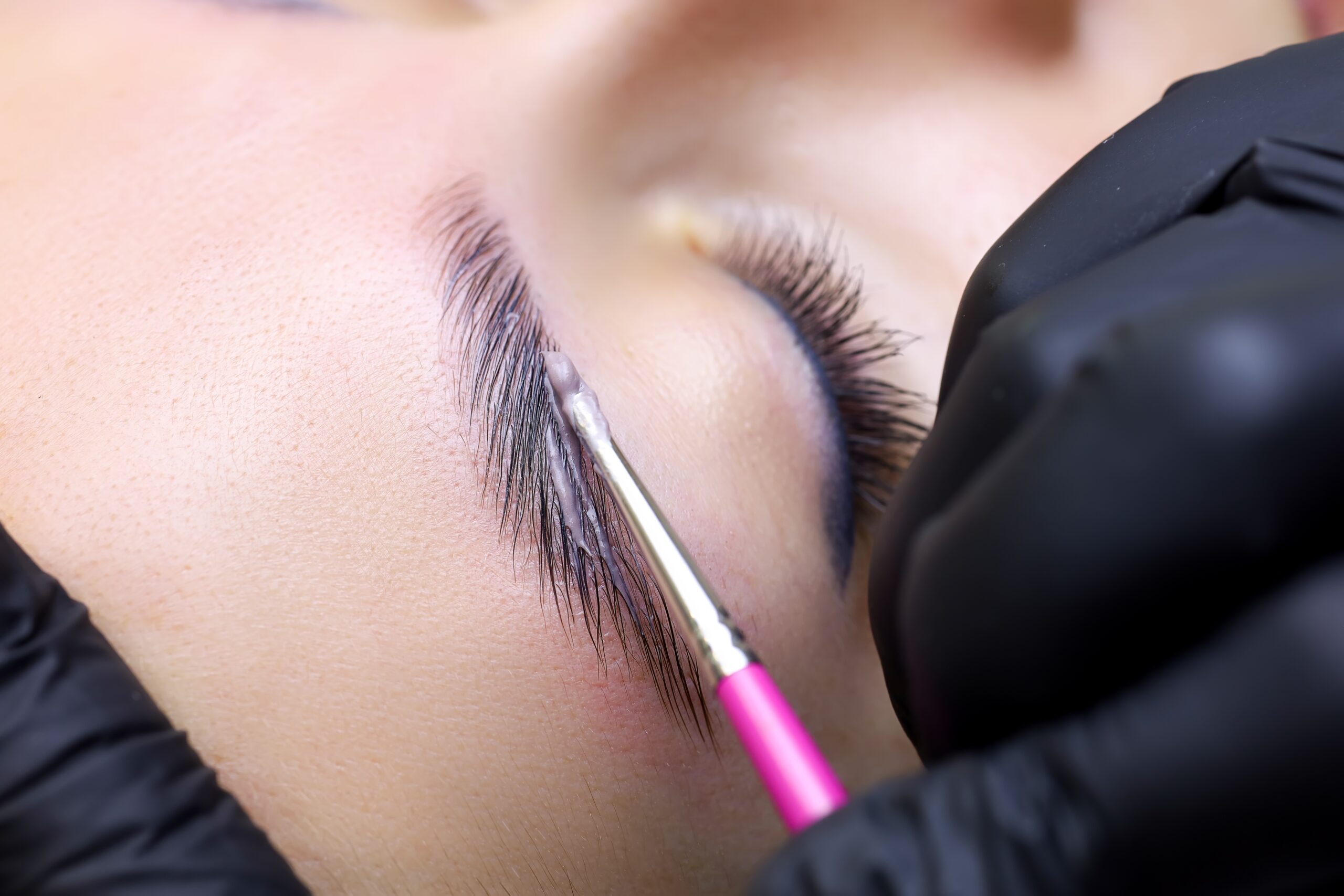
Overprocessing is the number one reason for curly brows after lamination. When the lifting solution stays on too long, it breaks down too much of the hair’s natural keratin structure, leaving it brittle and overly flexible—resulting in unwanted curls, frizz, or even kinking.
Think of it like over-bleaching your hair: the structure becomes compromised and the hair loses its ability to behave predictably. Damaged hair loses its ability to stay straight and maintain the intended shape, and brow hair is no exception.
The chemistry behind this is straightforward. Brow lamination works by breaking disulfide bonds in the hair, which allows the hair to be reshaped. These bonds are then reformed when the neutralising solution is applied. When hair is overprocessed, too many bonds are broken, and the hair structure becomes unstable. The result is hair that curves and kinks unpredictably.
Signs of Overprocessing
Recognising overprocessing helps technicians adjust their technique and helps clients understand what went wrong. Look for hair that feels dry, straw-like, or rough to the touch rather than smooth and silky. Brows may appear frizzy rather than sleek and uniform.
Individual hairs may curl in different directions rather than lying flat in the intended position. The lift may not hold its shape, with hairs springing back unpredictably or bending at odd angles.
In severe cases, you may notice hair breakage or hairs that are significantly shorter than before the treatment. This indicates serious overprocessing that requires time to grow out.
Overprocessing is more common with fine or delicate brow hairs, which require shorter processing times than coarse hair. It’s also more likely to occur with clients who have previously treated their brows or who use certain skincare products that affect hair structure.
Incorrect Application Technique
Not all brow technicians are trained equally, and technique plays a massive role in outcomes. An experienced technician understands the nuances that separate a beautiful lamination from a problematic one:
Correct processing times vary significantly based on hair type, texture, and condition. What works for one client may overprocess another. A skilled technician assesses each client’s hair before beginning and adjusts timing accordingly.
Monitoring the treatment in real-time allows for adjustments based on how the hair responds to the solution. Experienced technicians check progress regularly rather than setting a timer and walking away.
Knowing when to neutralise before damage occurs requires experience and trained observation. The line between perfectly processed and overprocessed can be measured in minutes—sometimes less.
Adjusting techniques for fine versus coarse hair ensures consistent results across different client types. Fine hair requires gentler handling and shorter times than coarse, resistant hair.
Many professionals complete specialised training such as a Certificate in Eyebrow Lamination to ensure they can deliver consistent, safe, and polished results for every client who sits in their chair.
Pre-existing Hair Damage
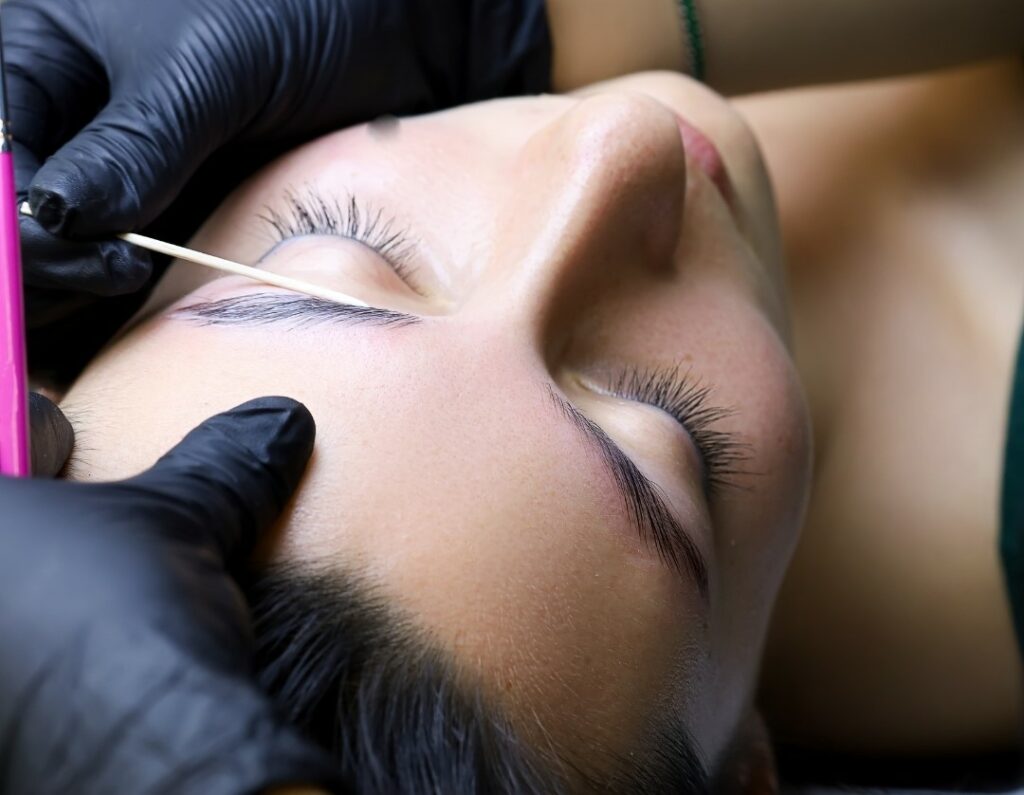
If brow hair is naturally fragile or has been chemically treated before—through dyeing, previous laminations, or even certain skincare products—lamination may not be the best choice, or may require modified techniques.
According to hair care experts, chemically treated hair has already undergone structural changes. Adding another chemical process increases the risk of damage exponentially rather than additively. Always disclose your complete hair history to your technician.
Hair that’s been recently tinted, especially with henna or other long-lasting dyes, may react differently to lamination solutions. Previous lamination that hasn’t fully grown out means some hairs have already been processed and are more vulnerable.
Risk Factors for Poor Lamination Outcomes
Recent brow tinting within 2 weeks can leave hair more porous and vulnerable to overprocessing. Previous lamination that hasn’t fully grown out means some hairs have already been processed and are starting from a weakened state.
Naturally fine or sparse brow hair has less structural integrity to begin with and requires more careful treatment. A history of hair breakage or damage anywhere on the body may indicate overall hair fragility that affects brow treatments as well.
Clients who use retinol or strong exfoliating acids near their brows may have compromised the hair structure without realising it.
How to Fix Curly Brows After Lamination
If you’re already dealing with curly brows after lamination, here’s what to do:
Immediate Care
Apply a nourishing brow serum daily to restore moisture to the damaged hair. Look for products containing keratin, biotin, or castor oil, which help rebuild hair structure and add protective moisture. Consistency is key—apply morning and night for best results.
Brush brows gently with a clean spoolie while still damp from the serum. This helps train them into a better position and can coax some of the curl into a more manageable direction. Be patient—this takes time and consistency, often several weeks.
Consider using a clear brow gel to hold hairs in place while they recover. This won’t fix the underlying damage but can help manage the appearance while you wait for natural improvement.
What to Avoid
Avoid heat and steam for 48 hours—this includes hot showers, saunas, hot yoga, and hairdryers used near your face. Heat can worsen the damage and make curly brows more pronounced.
Absolutely do not attempt another lamination to “fix” the issue. This will only cause more damage to already compromised hair. Layering chemical treatments on damaged hair is a recipe for disaster that can result in complete hair loss in the affected area.
Avoid oil-based products that might further disrupt the hair structure while it’s trying to recover.
Professional Help
If severely damaged, consult a professional for a corrective treatment. Some salons offer conditioning treatments specifically for overprocessed brows that can help restore some normalcy to the hair structure.
Wait at least 6-8 weeks before attempting another lamination. Your brow hairs need time to recover, and new growth needs to come through to replace the damaged sections. Patience is essential—rushing back into treatment will only compound the problem.
A skilled technician can assess the damage and recommend a timeline for future treatments. They may also suggest alternative services like brow tinting that can enhance your brows without additional chemical processing.
Prevention Is Key
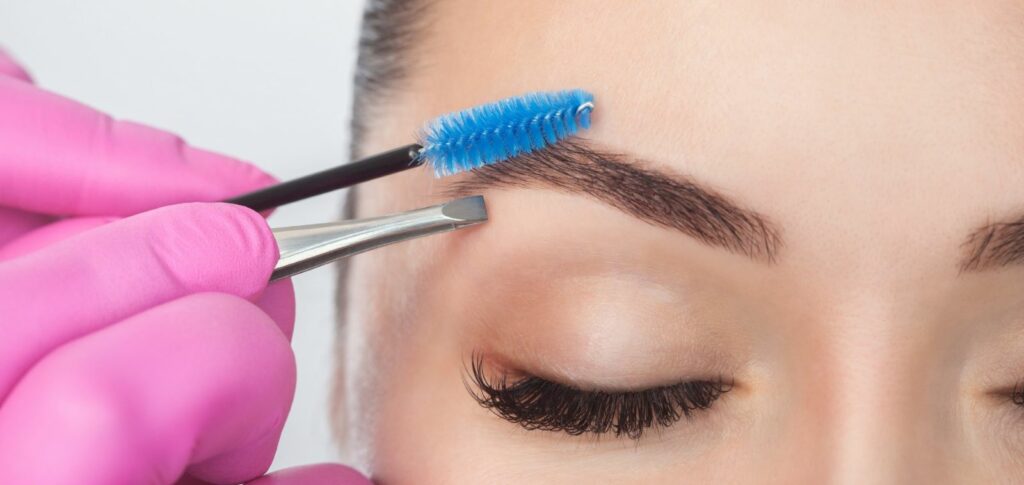
The best way to avoid curly brows is prevention through proper technique and appropriate client selection:
Choose a trained, experienced technician with documented training and portfolio images. Ask about their experience with different hair types similar to yours and request to see before-and-after photos.
Communicate thoroughly about any previous chemical treatments, skincare products you use, and any past reactions to beauty treatments.
Follow all aftercare instructions carefully, even when they seem inconvenient. The first 48 hours are critical for optimal results.
Don’t exceed the recommended treatment frequency. Every 6-8 weeks maximum allows hair to recover between sessions.
The Importance of Professional Training
For those interested in becoming a brow professional, proper brow certification teaches the science behind lamination and how to avoid these common issues. Understanding hair chemistry, proper timing, and technique adjustments for different hair types is essential knowledge that protects both technicians and their clients.
New Zealand Beauty School courses cover troubleshooting techniques, allowing graduates to identify problems before they become visible and adjust their approach in real-time. This expertise builds client trust and generates the positive reviews that grow a successful beauty business.