
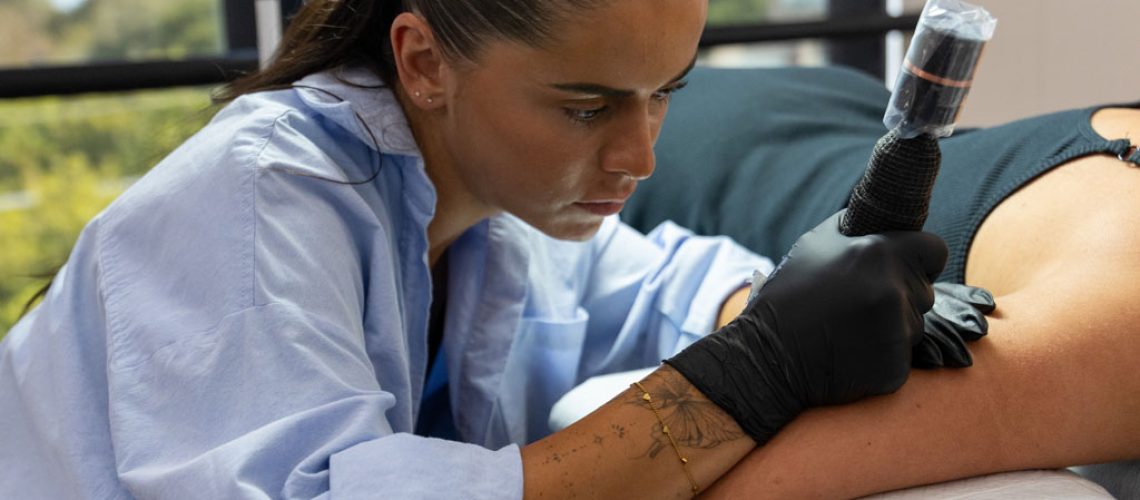
Fine line tattooing is one of the fastest-growing specialisations in the New Zealand beauty and body art industry. The delicate, intricate aesthetic of fine line work — minimal designs, botanical and celestial motifs, meaningful personal symbols — has attracted an entirely new client demographic to tattooing: people who previously had no interest in traditional tattooing styles but who want small, elegant permanent art that integrates beautifully with a contemporary lifestyle and aesthetic. The New Zealand market is experiencing the same surge in fine line demand that has transformed tattooing globally, and skilled fine line practitioners are in high demand across the country.
This guide covers what a professional fine line tattoo course in New Zealand teaches, how fine line differs from traditional tattooing, what licensing and regulatory requirements apply to New Zealand practitioners, and what a fine line career looks like in the Kiwi market.
What Makes Fine Line Tattooing Different?
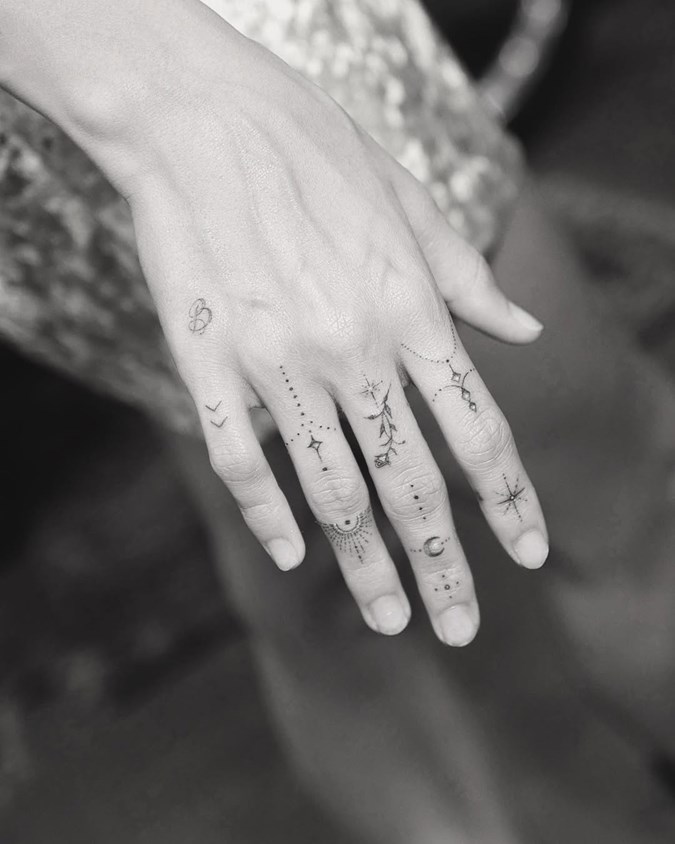
Fine line tattooing uses a single needle or small round liner needle configuration to create extremely precise, delicate designs with thin, consistent line work and fine shading. The technique is distinct from traditional tattooing in several ways: the depth of ink deposit is typically shallower, the needle speed and penetration angle are calibrated specifically for fine work, and the design aesthetic relies on precision and consistency rather than bold saturation. Allure provides a widely referenced consumer guide to fine line tattoos — the styles, placement considerations, and healing expectations covered there reflect exactly what NZ clients are researching before their first fine line consultation.
The client base is different too. Fine line clients in New Zealand are often first-time tattoo recipients — they are attracted to the minimal, elegant aesthetic of fine line work rather than the more overtly tattooed appearance of bolder styles. They tend to be highly detail-focused, willing to pay premium prices for exceptional precision, and likely to refer friends and family if their experience is genuinely excellent.
What Does a Fine Line Tattoo Course Cover?
Skin anatomy specific to tattooing is the foundational theory. You will learn the layers of the skin that are relevant to tattoo placement — specifically the dermis, where ink must be deposited to remain permanent, and the epidermis, which sheds regularly and must not receive the primary ink deposit. Understanding the depth and angle of needle penetration required to reach the dermis consistently across different skin types and body locations is core professional knowledge. Healthline provides a clinically reviewed overview of tattoo safety and aftercare — practitioners who understand this content can address client questions about healing, aftercare, and longevity with genuine clinical authority.
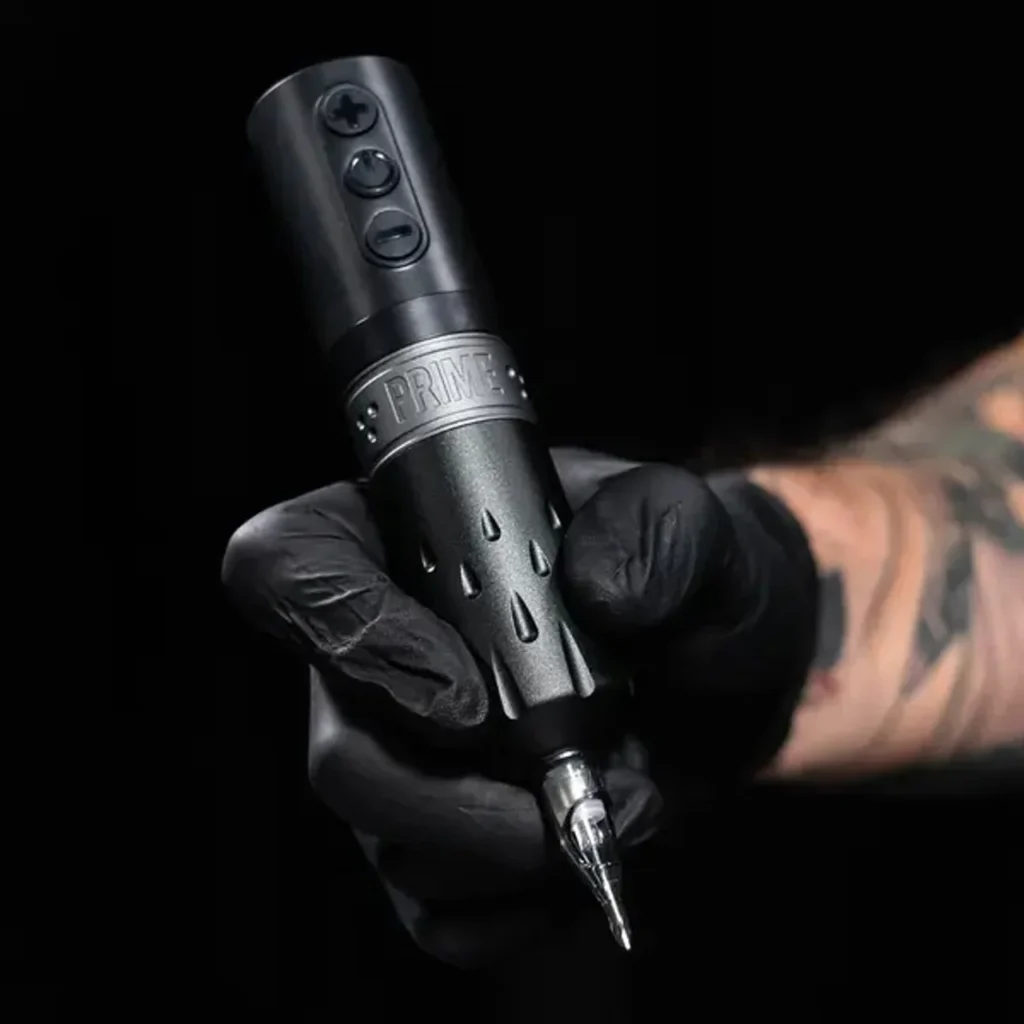
Equipment knowledge covers single-needle and round liner needle configurations, machine types (coil, rotary, and pen-style rotary machines — the latter being most commonly used for fine line work in the NZ market), needle cartridge selection, machine speed and voltage calibration for fine line work, and ink formulation for the greywash and light-saturation ink effects typical of fine line designs.
Stencil creation and transfer technique covers design selection and scaling, transfer paper application, stencil adhesion to the skin surface, and the adjustments needed for curved body surfaces where flat stencil designs must be adapted for accurate placement.
Application technique — the core of the practical curriculum — covers hand speed and movement consistency for smooth line work, maintaining consistent needle depth across different skin tension and texture variations, the breathing and arm support techniques that stabilise fine needle work, and the post-shading and healed result management that determines how a fine line tattoo looks six months after the session.
Health, safety, and New Zealand-specific regulatory requirements are covered in depth. Tattooing is regulated at local authority level in New Zealand — specific bylaws govern premises registration, sterilisation standards, and practitioner requirements. These requirements vary between councils and must be researched for your specific operating location.
What Can You Earn as a Fine Line Tattoo Artist in New Zealand?
Fine line tattoo pricing in New Zealand is typically charged as a minimum rate of NZD $150 to $200 per appointment, with most fine line sessions of one to two hours priced at NZD $200 to $400. Custom commissioned fine line work — requiring separate design consultation sessions — commands NZD $300 to $600 for a completed piece. Fine line tattoo artists with distinctive styles and strong social media portfolios in Auckland regularly maintain waiting lists of four to eight weeks.
For career data on the broader beauty and body art profession in New Zealand, Careers New Zealand provides a useful overview of career pathways and typical earnings for body art and beauty professionals — useful context for planning your pricing and career model as a fine line specialist.
For current tattoo artist and body art roles across NZ, Seek NZ lists positions that help you understand the employed landscape alongside your self-employed fine line practice.
Our Certificate in Fine Line Tattooing provides the professional foundation for a NZ fine line career. Our article on fine line tattoo course: breaking into New Zealand’s hottest beauty trend covers the market opportunity. All training is at New Zealand Beauty School.