

Facial and skincare therapy is one of the most intellectually engaging and client-rewarding specialisations in the New Zealand beauty industry. Facialists who develop genuine clinical expertise — understanding the science of skin at a meaningful depth, assessing conditions accurately, and selecting treatments that produce measurable improvement — build the kind of loyal, long-term client relationships that provide financial stability and professional satisfaction simultaneously. The growing consumer focus on evidence-based skincare in New Zealand makes skin therapy one of the most promising beauty career directions for practitioners willing to invest in serious training.
Step 1: Understand What a Professional Facialist Does
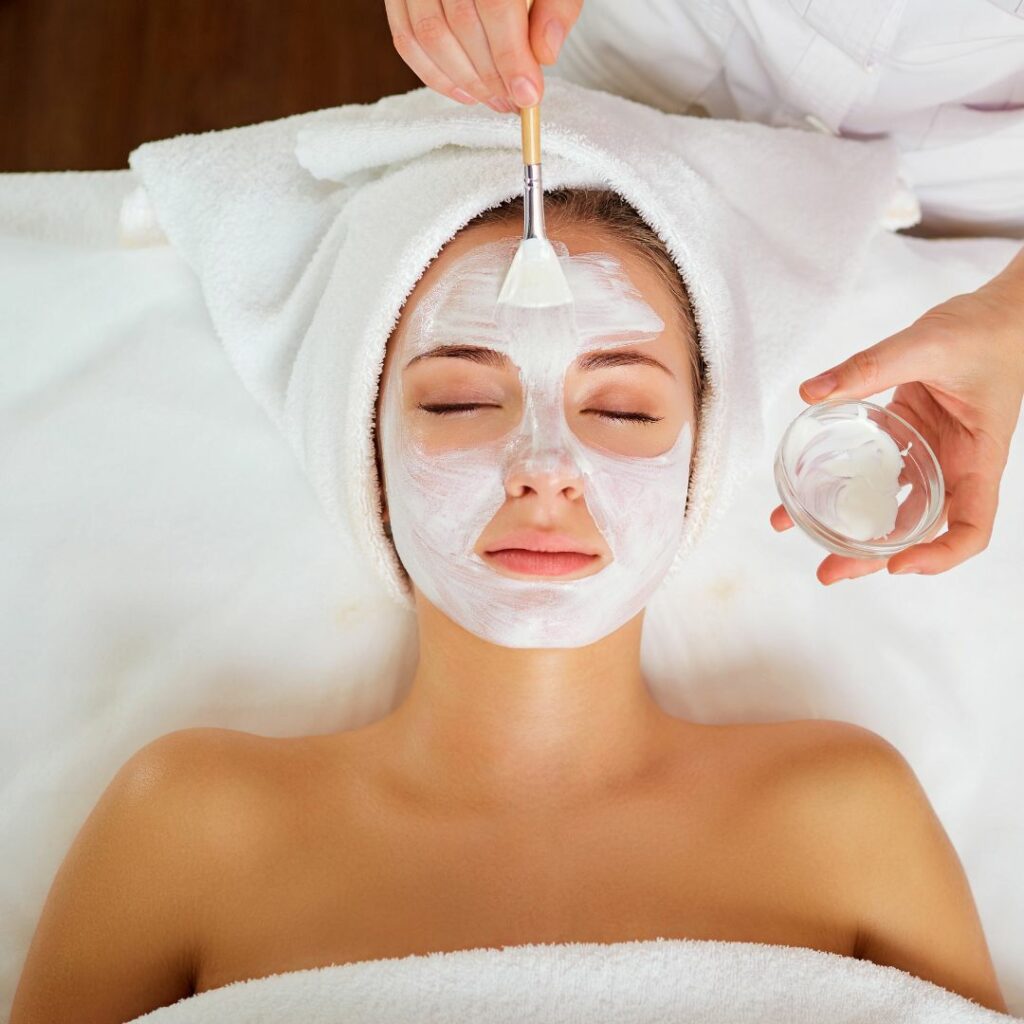
A professional facialist performs skin assessment, skin treatments, and home care prescription for clients seeking to improve their skin health and appearance. The work is more analytical than many beauty specialisations — the decisions made in a consultation directly affect whether the client’s skin improves, stays the same, or is damaged. A facialist who does not understand how to identify contra-indications for specific treatments, or who cannot prescribe appropriate home care to maintain treatment results, is not delivering the full value of their qualification.
New Zealand’s diverse client base adds a specific dimension to facial practice. Māori and Pacific Island skin has specific characteristics — higher melanin content, a tendency toward post-inflammatory hyperpigmentation, and different sebaceous gland activity compared to Pākehā skin — that affect treatment selection and product choices. For guidance on the skincare ingredients and treatments clients are researching before their appointments, Healthline provides clinically reviewed content that reflects the questions clients arrive with — practitioners who understand this material can address them with genuine clinical authority.
Step 2: Complete a Comprehensive Facial Course
A professional facial qualification covering skin anatomy, skin typing and condition assessment, core facial treatment protocols, advanced treatment modalities, ingredient science, and client consultation is the essential starting point. Do not attempt to practise from short courses covering only one or two treatment types — the breadth of the facial curriculum exists for good reason, and gaps in foundational knowledge lead to avoidable errors that affect client safety and outcome quality.
Step 3: Develop Diagnostic Skill on Diverse Skin
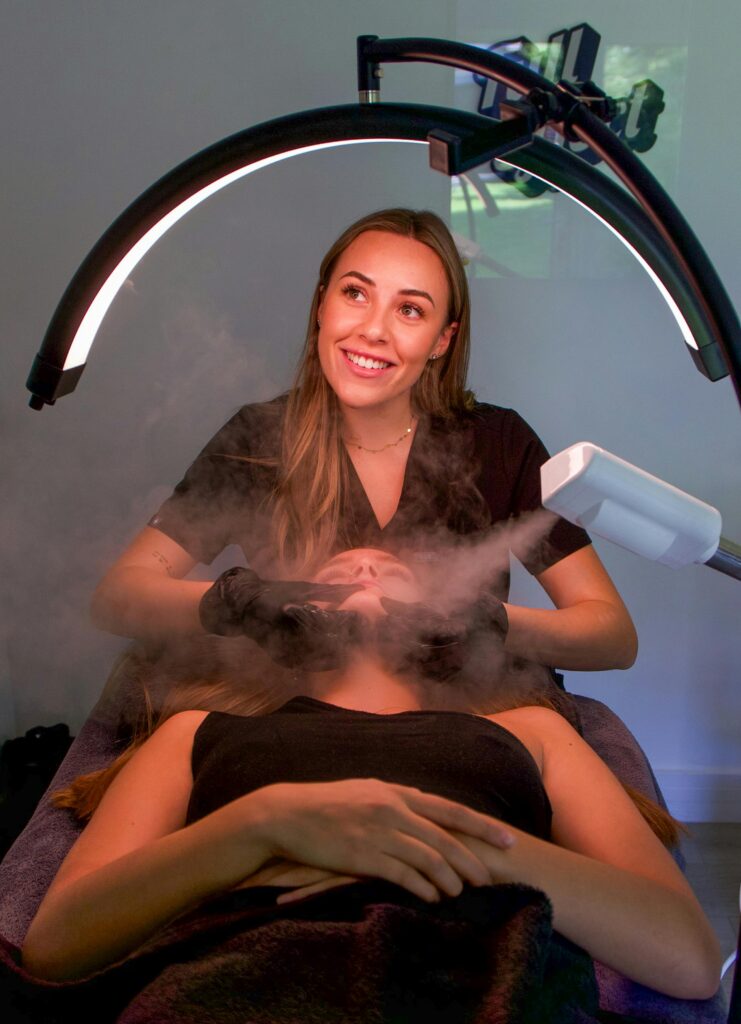
Skin analysis competency is developed through exposure to diverse real-world skin presentations. Before taking paid clients, assess as many volunteer skins as you can access — different ages, types, ethnicities, and conditions. Each consultation builds your reference library of real-world skin presentations and develops the visual and tactile acuity that marks an experienced facialist from a newly qualified practitioner.
Invest in a quality magnifying lamp for skin analysis — the ability to assess pore condition, comedone content, and skin texture at magnification is a professional tool that justifies premium positioning and builds client trust in your clinical credibility.
Step 4: Build Your Specialist Focus and Marketing Presence
The most commercially successful New Zealand facialists develop and communicate a specific expertise focus. Acne specialist, anti-ageing specialist, sensitive skin specialist, or skin of colour specialist — a clear and credible focus attracts clients who have been searching for that specific expertise and who become loyal once they find it.
Stay current with skincare trends and product innovation. Allure maintains one of the most widely read skincare references in English-speaking markets — understanding what your clients are reading about actives, acids, and treatment types helps you speak their language confidently and position your expertise relative to what they already know.
For career and income data for the NZ skincare profession, Careers New Zealand provides a useful overview of typical earnings, work settings, and progression pathways for beauty and skincare professionals across the country.
For current facialist and skin therapist roles across NZ, Seek NZ lists positions that help you benchmark your self-employed service rates against the broader NZ skincare market.
Our Certificate in Facials is the comprehensive qualification for a Kiwi facialist career. Our article on facial course: master 10 spa treatments clients are requesting in 2025 provides useful context on advanced treatment demand. All training is at New Zealand Beauty School.