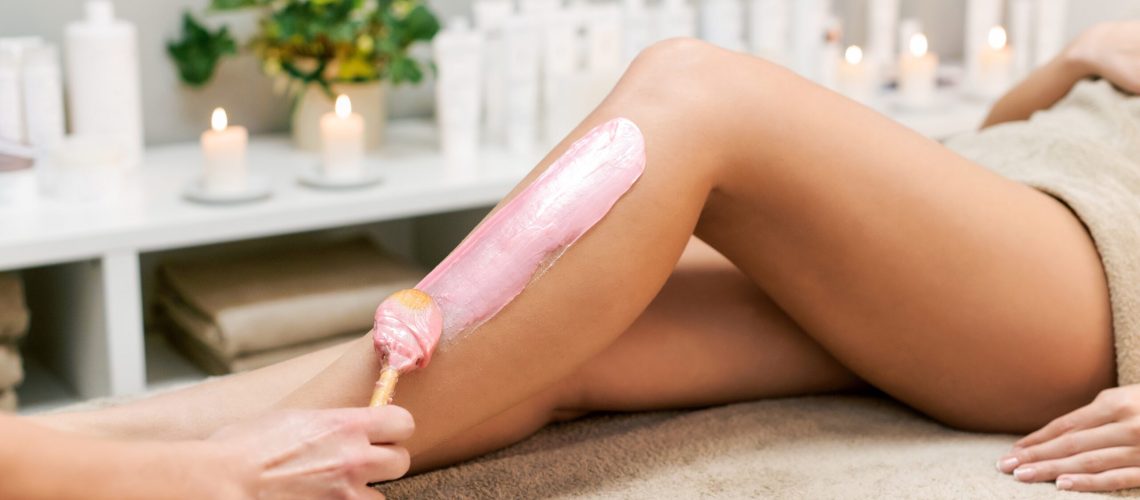
Body waxing is one of the most consistently booked beauty services in New Zealand. The demand is year-round, the client base is broad — both men and women across all age groups — and the repeat booking frequency is reliable, with clients returning every four to six weeks. For beauty practitioners, body waxing provides the stable appointment volume that underpins a sustainable income, alongside the opportunity to build a full-service menu that includes facial waxing, brow work, and specialist treatments.
A professional body waxing qualification in New Zealand — the Certificate in Body Waxing — is the entry point to a high-volume, reliable beauty service and a practical addition for practitioners from other beauty disciplines. This guide covers what the training teaches, how long it takes, what you can earn, and how to build a waxing client base in the Kiwi market.
What Does a Body Waxing Course Cover?
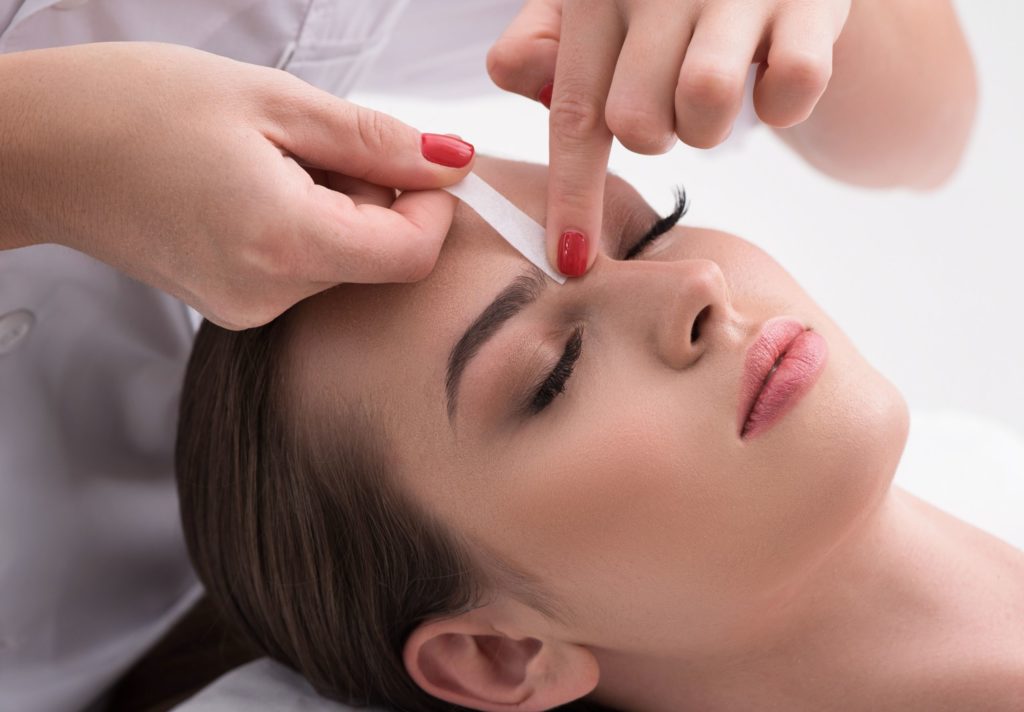
A comprehensive body waxing course in New Zealand covers skin and hair anatomy, wax product science, application technique across multiple body areas, health and safety, client consultation, and professional practice.
Skin and hair anatomy covers the structure of the hair follicle, skin layers relevant to waxing safety, and the three phases of the hair growth cycle. Understanding the growth cycle is essential professional knowledge: clients who wax before their hair has reached the minimum extractable length experience poor results and unnecessary discomfort. Advising clients correctly on treatment timing is a direct result of anatomy knowledge. Healthline covers common waxing side effects and how to minimise them — useful background reading for understanding what your clients are likely to have read before their appointment and for reinforcing your professional advice with evidence-based context.
Wax product science covers hot wax (hard wax) and strip wax, the two formats used across different body areas. Hard wax is recommended for sensitive areas because it encapsulates the hair without strong adhesion to the skin surface, reducing discomfort and skin trauma. Strip wax is faster for larger areas such as legs, arms, and back. You will learn the chemistry of each, correct temperature management, and the application and removal techniques specific to each format and body area. Allure provides a widely referenced consumer guide to professional waxing — understanding what clients are reading before they book helps you structure your consultation to address their questions before they ask them.
Application technique is taught body area by body area: legs (half and full), arms, underarms, bikini (standard and extended), back and chest, and abdomen. Each area has specific positioning requirements, skin tension technique, and removal angle considerations that must be learned and practised separately. The technique for a precise bikini line — one of the most commonly requested services in New Zealand — requires a level of precision and client communication that develops specifically through targeted practice.
Health and safety covers the full range of contra-indications for body waxing: varicose veins, skin conditions (including eczema and psoriasis active at the treatment site), certain medications including retinoids, recent sun exposure, and specific body areas where waxing is contra-indicated. Managing contra-indications confidently — including the ability to explain to a client why a service cannot be performed and to offer appropriate alternatives — is a core professional competency.
Business content covers pricing for different body areas and treatment packages, building retail product revenue from home care recommendations, and the strategies that build a loyal waxing client base through consistent quality and excellent client experience.
How Long Does a Body Waxing Course Take?
Most online body waxing courses in New Zealand can be completed in four to eight weeks of consistent study. The theoretical content is covered in one to two weeks; the practical component requires practice sessions across multiple body areas on volunteer models. The greatest practice requirement is for areas requiring the most precision — bikini line, underarms, and back — which should each receive at least three to five practice sessions before assessment submission.
What Can You Earn as a Body Waxing Specialist in New Zealand?
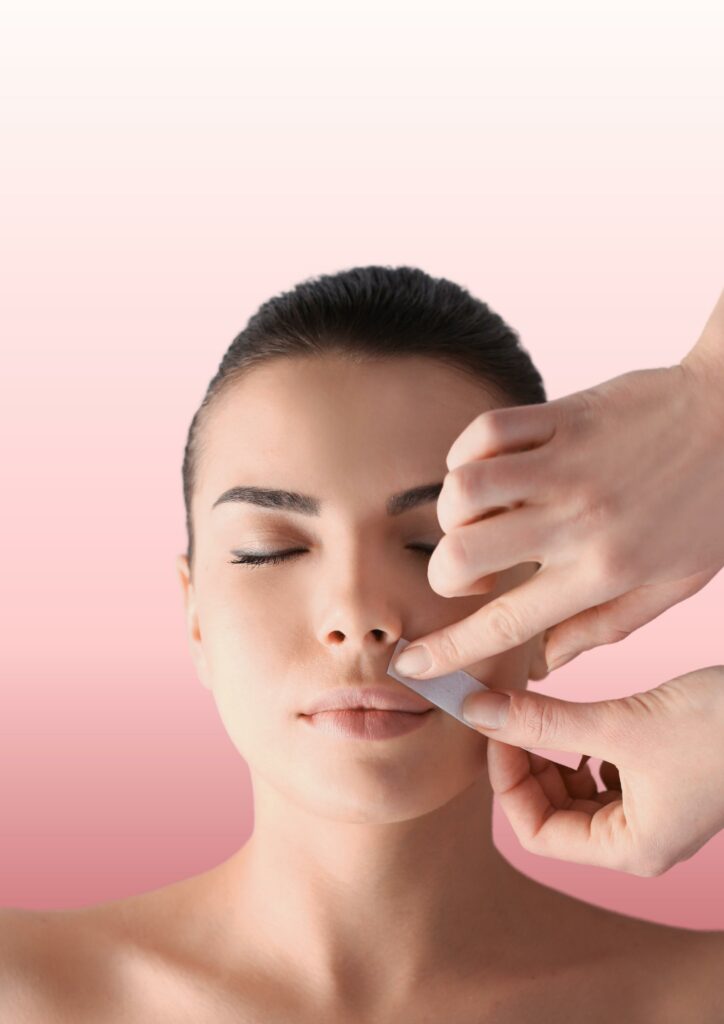
Body waxing services in New Zealand are priced from NZD $25 for a lip wax through to NZD $90 to $140 for a full-leg wax and NZD $60 to $120 for a Brazilian bikini service, depending on the market. Pre-event packages — combining legs, underarms, and bikini waxing in advance of a special occasion, holiday, or sporting event — generate strong single-booking revenue of NZD $150 to $250 per client. Mobile waxing practitioners who bring the service to clients’ homes charge a travel premium on top of service pricing.
According to Careers New Zealand, beauty therapists in New Zealand who offer waxing as a primary service alongside complementary treatments consistently earn at or above the general beauty therapy median, reflecting the reliable appointment volume and strong client retention that waxing generates.
For current waxing and beauty roles across NZ, Seek NZ provides benchmark employed market data that helps you understand the full landscape of employed and self-employed waxing career options across New Zealand. Our Certificate in Body Waxing covers the full body waxing curriculum. Our article on hard wax vs soft wax: a complete professional comparison guide provides useful product context. All training is at New Zealand Beauty School.